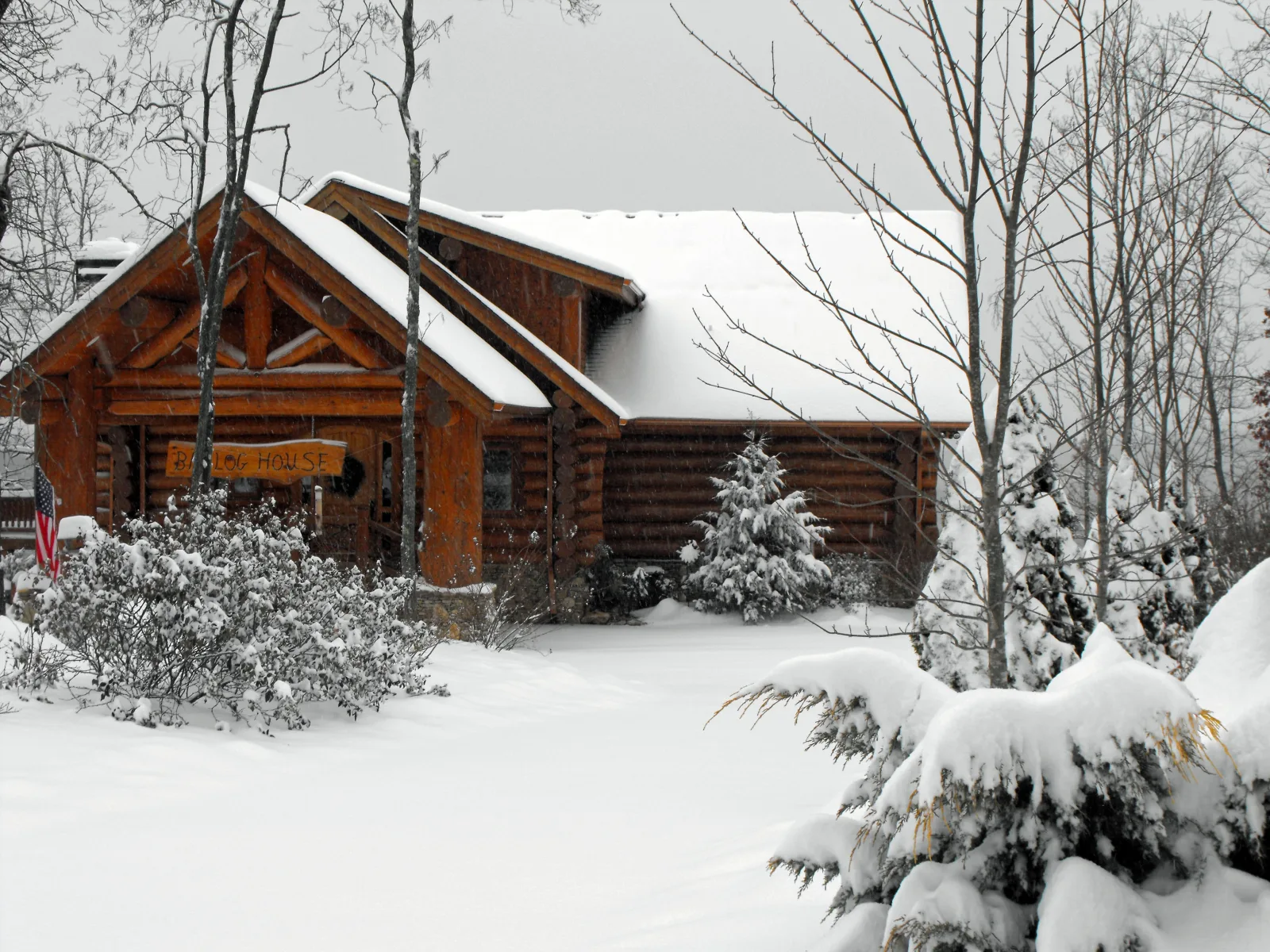


As of October 2026, selling a home in the North Georgia mountains starts with a property-specific sequence: assess readiness, confirm access and records, then price against relevant comparables. A home’s setting is one part of the buyer’s decision alongside its condition, records and access.
Use this sequence to work through local seller costs, preparation and the decisions that follow a showing.
The county housing figures in this guide run through September 2026. Recheck current comparables before choosing a price.
I’m Thomas Echea, Principal of E+E Group at Compass. I help owners compare the home’s documents, condition and likely buyer before they choose a listing plan.
The Quick Version
- Choose a listing date: match readiness, access, photography and the buyer schedule; season alone cannot predict a sale.
- Price to relevant comps: compare similar property type, access, setting and condition, not a countywide average.
- Property details: review view, road access, outdoor spaces and documented rental history.
- Know closing costs: review transfer-tax and attorney-closing details in a property-specific net sheet.
What is the sequence for selling a mountain home in North Georgia?
Start with the first decision: what does the property need before a buyer sees it, and what can wait? A clear sequence keeps pricing, preparation, showings and next steps connected without promising a particular sale speed.
| Stage | Owner decision | Evidence to review | Next step |
|---|---|---|---|
| Pricing | What range fits the property and its likely buyer? | Relevant sold comps, property type, access, setting and condition | Use the Blue Ridge home-value guide to prepare for a property-specific pricing review. |
| Preparation | Which repairs or records reduce buyer uncertainty? | Roof, well/septic records, permits, road agreement and current photos | Complete agreed work; document anything left as-is. |
| Exposure and showings | How will qualified buyers see the home and its setting? | Listing photos, description, access plan and showing instructions | Confirm channels, appointment rules and owner updates. |
| Feedback | What are buyers responding to after showings? | Written showing comments, inquiry patterns and competing inventory | Review evidence on the agreed check-in date. |
| Decision | Keep the plan, revise presentation or reconsider price? | Current comps, feedback, days on market and owner priorities | Choose a documented next step with your listing advisor. |
For a seller consultation, review the Blue Ridge seller process and bring the records you already have.
How should a $1M+ mountain home be priced and presented?
A higher-priced mountain home deserves comparables that reflect its property tier. A county median is context, not a value estimate for one address. This framework is illustrative; it contains no individual sales, dollar adjustments or promised result.
| Review area | Evidence to compare | Question to ask |
|---|---|---|
| Price and buyer fit | Recent comparable sales with similar type, setting, size and condition | Which sales are truly comparable, and why were others excluded? |
| Mountain setting | Current view, privacy, usable land, road access and recorded easements | Which features can a buyer verify in person and in the records? |
| Presentation | Photos, floor plan, property description and showing plan for a similar listing | Can I review a complete past marketing package before signing? |
| Owner reporting | Written contact, showing feedback and scheduled review cadence | When will we review buyer response and decide whether to adjust? |
Ask to see the work product before you hire. Your next price and marketing decisions should be based on the home’s records and current evidence, not a generic luxury promise.
When Is the Best Time to List in the Blue Ridge Mountains?
There is no season that guarantees the right buyer. Consider your timeline, property readiness, access conditions and the competing homes a buyer will compare. If foliage is part of the setting, plan photography when the property looks the way you want buyers to remember it.
Inventory and buyer activity change over time, so check the current competition before setting a launch date. If the home is not ready, solve the records, repairs or presentation questions first; a calendar date cannot replace those steps.
What does selling a house in Blue Ridge GA involve?
Georgia is an attorney-closing state, so a real estate attorney handles the closing. Closing costs and who pays them depend on the contract and transaction. Ask the closing attorney for an itemized seller net sheet before you set a minimum price.
State transfer tax: Georgia law makes the seller liable for transfer tax, but the contract may shift payment to the buyer. The Georgia Department of Revenue lists the rate as $1 for the first $1,000 or fractional part of $1,000, plus $0.10 for each additional $100 or fractional part of $100.
Illustration: On a $425,000 sale, the stated formula yields $425 in transfer tax. The actual contract and consideration determine the amount due.
Title insurance: Ask the closing attorney which policies apply and how the contract allocates the premium.
Closing and recording: Request an itemized fee estimate from the closing attorney for the specific transaction.
Agent compensation: Review the written agreement and confirm the compensation terms before signing; the amount is negotiated.
Preparation: List any optional road, deck, septic or staging work separately. Compare the cost with your priorities, and do not assume a particular return.
What Should You Evaluate Before Marketing a Mountain Cabin?
A buyer compares a specific property with other options. Organize the details they can inspect: the view and its seasonality, road and driveway access, outdoor spaces, and any rental records you plan to share.
- View: photograph it honestly and note whether foliage changes the sightline.
- Access: identify the road owner or maintainer and keep any access documents together.
- Outdoor spaces: show decks and porches clearly, with their condition and intended use represented accurately.
- Rental records: organize booking and expense records if an investor is part of the likely audience; a lender or appraiser determines how they matter to its analysis.
A lender may use a Form 1007 rent schedule to evaluate rental potential. A short-term rental history does not itself set appraised value, though records can help an investor assess the opportunity. See Thomas Echea’s local rental strategy or the guide to selling an operating rental cabin for diligence details.
How Do You Stage a Mountain Home to Sell?
Stage the view first and the rooms second. Clean the glass, trim what blocks the ridge line, and arrange seating so the eye lands on the mountains the moment a buyer walks in. Wood interiors read dark in photos, so add light: open every shade, layer in warm lamps, and keep palettes simple so the setting stays the star.
Set the deck or porch as an outdoor living space, then check maintenance records, roof condition and gutters. Use the room-by-room preparation checklist to plan the work. Before setting a price, review current Blue Ridge listings and the local cabin market guide.
How Long Does It Take to Sell a Cabin in Blue Ridge?
Time on market swings with price and season. For January–September 2026, the Georgia Association of REALTORS Fannin County report shows 86 days on market for single-family sales year to date and closings at 95.3% of final list price. These county figures are not a forecast for an individual home. Compare a current CMA, property access and condition before choosing a timeline.
My approach is to help sellers set a defensible price from the start and present the home clearly. Buyers are choosing a way to spend their weekends, and a well-presented home tells that story before they reach the front door.
Thomas Echea
For a mountain-home sale, turn this checklist into a property-specific plan: what to prepare, which comparable sales matter and how to handle showings and feedback. Plan your Blue Ridge home sale with Thomas.
Frequently Asked Questions
Who pays the transfer tax when selling a house in Blue Ridge GA?
Under Georgia law the seller is liable for the transfer tax of $1 for the first $1,000 or fractional part of $1,000, plus $0.10 for each additional $100 or fractional part of $100, though the contract can shift it to the buyer. Confirm the split with your closing attorney.
Is spring or fall better for selling a mountain home?
There is no season that guarantees a buyer. Weigh your timeline, preparation, competing inventory and the way the property presents in each season. For a foliage setting, plan photos when the leaves and access reflect what you want buyers to see.
Does a short-term rental history raise my home’s appraised value?
Rental history does not set the appraisal by itself. A lender or appraiser may consider property characteristics and the valuation method being used. Organized booking and expense records can help a buyer evaluate an operating rental, but ask the buyer’s lender or appraiser how those records affect its review.
Do I need a real estate attorney to sell in Georgia?
Yes. Georgia is an attorney-closing state, so a licensed real estate attorney handles the closing, title work, and recording. Your agent coordinates with that attorney to keep the sale on schedule.
Should I make repairs before listing, or sell my cabin as-is?
It depends on the specific issue and your timeline, and no single repair carries a guaranteed return. Review road access, roof condition, and documented septic and well information for the specific property. Address the items that matter for your timeline and disclose the rest. For the full repair-or-sell-as-is trade-off, see the guide to selling a Georgia house that needs work.
Before you interview anyone, review the questions to ask a Blue Ridge listing agent, and see how a real listing marketing package comes together on the seller page. Selling well in these mountains is about honest pricing, smart timing, and showing the life the home offers. Contact Thomas Echea to map the right plan for your Blue Ridge cabin.