
Topic: Relocation

  • Riverwalk Living In Downtown Fort Lauderdale

    Riverwalk Living In Downtown Fort Lauderdale

    What if your ideal Fort Lauderdale lifestyle has less to do with being steps from the sand and more to do with being able to walk to the river, dinner, a show, and a waterfront park in the same evening? If that sounds like your pace, Riverwalk living in Downtown Fort Lauderdale offers a very different kind of South Florida experience. In this guide, you’ll get a clear look at what Riverwalk is, how the area feels day to day, and what to expect if you’re considering a move in 33301. Let’s dive in.

    What Riverwalk Really Means

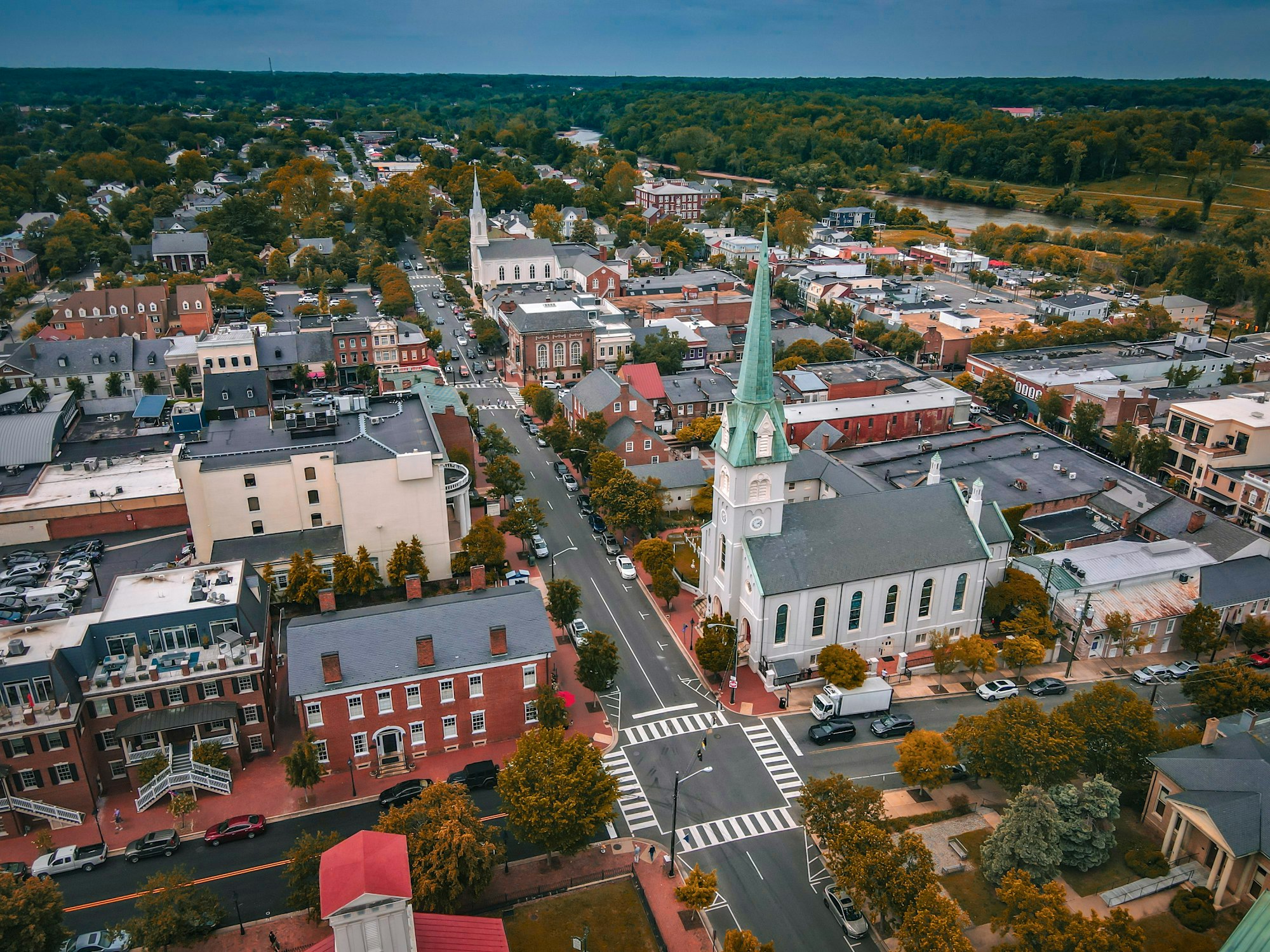
    When people talk about Riverwalk in Downtown Fort Lauderdale, they are often describing more than one thing. The core Riverwalk is a roughly 1.5-mile linear park along the New River, while the broader Downtown Riverwalk District stretches farther and connects a larger collection of public spaces and attractions.

    That distinction matters if you are home shopping nearby. Riverwalk is best understood as a downtown waterfront lifestyle corridor, not just a single park or promenade. City planning materials frame the area around a mix of housing, recreation, transportation, boating, entertainment, culture, and commerce.

    Why Riverwalk Feels Different

    Riverwalk living stands out because it blends urban convenience with waterfront access. Instead of a beach-first routine, your day is shaped by the river, walkable streets, public parks, and downtown destinations.

    That creates a lifestyle that feels active and connected. You can spend time outdoors, enjoy cultural venues, and still stay close to restaurants, shops, and everyday services without making the beach the center of your routine.

    A true public-space network

    The Riverwalk area is tied together by a series of parks and gathering spaces that make downtown feel livable, not just busy. Riverwalk Linear Park includes a waterfront walkway, benches, picnic tables, restrooms, and a gazebo.

    Nearby Esplanade Park adds more seating, gazebos, a pavilion, picnic tables, and restrooms. Huizenga Park recently reopened with an event lawn, shaded dog run, riverfront seating, and public art, giving the district another everyday-use green space along the water.

    Walkability with a purpose

    Walkability here is not just a buzzword. Riverwalk Fort Lauderdale describes the district as a place where parks, scenic paths, restaurants, shops, museums, and galleries sit within walking distance of each other.

    That setup supports a more flexible daily routine. You may be able to leave your building, take a short stroll along the river, meet friends for dinner, or attend an event without relying on your car for every stop.

    Getting Around Downtown Fort Lauderdale

    One of the biggest strengths of Riverwalk living is how easy it can be to move around the downtown core. For buyers relocating from more car-dependent areas, this can be a meaningful lifestyle shift.

    The City of Fort Lauderdale operates the free LauderGO! Water Trolley daily from 10 a.m. to 10 p.m. Stops include Riverwalk Laura Ward Park, Huizenga Plaza/Bubier Park, Riverfront Plaza, Esplanade Park, Tarpon River, New River Yacht Club, Downtowner, and Smoker Park.

    The city also says the LauderGO! Micro Mover helps people get around downtown, Las Olas, and the beach. It can also be used for trips to Brightline, grocery stores, and the library, which reinforces that this is a functional downtown transportation network, not just a visitor amenity.

    Las Olas access adds to the appeal

    Living near Riverwalk also means easy access to Las Olas Boulevard, one of Fort Lauderdale’s best-known downtown corridors. The city describes Las Olas as its centerpiece for fashion, dining, and entertainment.

    The pedestrian experience is also getting more attention. In 2026, the city approved mobility improvements designed to improve shade, safety, and comfort for people walking along the corridor while preserving its tree-lined identity.

    Arts, Dining, and Everyday Culture

    If you want a downtown home base with things to do beyond nightlife, Riverwalk checks that box. The area is closely tied to some of Fort Lauderdale’s most established cultural destinations.

    The Broward Center for the Performing Arts sits on the New River and hosts Broadway musicals, operas, ballets, concerts, plays, and educational events. NSU Art Museum is located at One East Las Olas Boulevard, while the Museum of Discovery and Science is downtown on SW Second Street.

    The Historic Stranahan House Museum adds another layer of place and history to the district. Downtown is also home to Broward County Main Library and major educational institutions, which helps the area feel like a full-time urban center rather than a purely entertainment-focused zone.

    Events help animate the district

    Riverwalk is not only about permanent landmarks. Programming and public events are also part of the area’s identity.

    Riverwalk says many of its events are free and open to the public. The city’s Street Performers and Street Artists Program also brings live music, performers, and arts-and-crafts vendors into the Riverwalk District, adding to the street-level energy throughout the year.

    The Boating Side of Riverwalk Living

    For many buyers, boating is one of the biggest reasons Riverwalk stands apart from a standard downtown condo district. Fort Lauderdale’s waterfront identity is not just scenic. It is built into the way the city functions.

    The City of Fort Lauderdale operates the New River/Downtown Docking facility in the heart of downtown just off Las Olas. It includes 100 slips, full utilities, and direct walking access to shops and sidewalk cafes.

    That is a rare combination if you are comparing urban waterfront neighborhoods. You get proximity to dining, culture, and downtown services while still being connected to boating infrastructure and the New River.

    Waterfront living with an urban rhythm

    Fort Lauderdale describes itself as the “Venice of America” and says its inland waterways stretch 165 miles. In the Riverwalk area, that boating culture feels integrated into daily life rather than separated into a purely marina-driven setting.

    The overall experience is best described as urban waterfront living. You are close to the water, but the rhythm is shaped by downtown activity, public space, and mixed-use convenience.

    What Housing Looks Like in 33301

    If you are considering a move to the Riverwalk area, it helps to know that 33301 is primarily a multifamily market. Census Reporter’s ACS 2024 5-year profile shows about 14,581 housing units in the ZIP code, with 78% in multi-unit structures and 63% renter occupied.

    In practical terms, that means you should expect a housing mix centered on condos and apartments rather than detached single-family homes. That lines up with the city’s Downtown Master Plan, which describes downtown as an active urban center with housing, shopping, office space, and entertainment.

    What that means for daily life

    For many buyers, Riverwalk living means considering high-rise or mid-rise buildings in a dense downtown setting. That often comes with a more managed residential experience and a closer relationship to shared amenities and parking systems.

    The upside is strong access to walkability, culture, public space, and water views. The tradeoff is that you should also expect the normal realities of a lively mixed-use district, including event activity, traffic at peak times, and more structured parking management.

    Riverwalk Versus Beach-Centered Living

    If you are trying to decide between Downtown Fort Lauderdale and a more beach-oriented setting, the difference often comes down to how you want your week to feel. Riverwalk offers a lifestyle centered on the New River, parks, restaurants, arts venues, and downtown mobility options.

    Beach areas can offer a different kind of coastal routine, but Riverwalk is better framed as a walkable urban waterfront environment. The beach may still be accessible, yet it is not the main feature shaping your daily experience.

    For some buyers, that is exactly the point. You may want water views and a South Florida feel, but with a more connected downtown setting that supports dining out, cultural outings, errands, and evenings along the river.

    Is Riverwalk a Good Fit for You?

    Riverwalk may be a strong fit if you want to be in the center of activity without giving up waterfront atmosphere. It can also make sense if you value being able to mix leisure, culture, and convenience into one neighborhood experience.

    You may especially appreciate the area if you are looking for:

    • A condo or apartment lifestyle in 33301
    • Walkable access to parks, dining, and cultural venues
    • Downtown transit options that reduce short car trips
    • A waterfront setting with boating connections
    • A more urban feel than a beach-centric one

    The right building, block, and view can make a big difference here. If you are relocating, buying a second home, or looking for a primary residence in Fort Lauderdale, local guidance matters when comparing the Riverwalk area to other nearby options.

    Riverwalk Fort Lauderdale offers the rare combination of urban walkability and waterfront access that my luxury clients increasingly demand — it’s one of the most compelling addresses in South Florida.

    Thomas Echea

    If you are exploring Downtown Fort Lauderdale and want a thoughtful, property-specific perspective on Riverwalk living, the E+E group can help you evaluate the area with clarity and confidence.

    FAQs

    What is Riverwalk in Downtown Fort Lauderdale?

    • Riverwalk refers to the waterfront core of downtown along the New River, including a roughly 1.5-mile linear park and a broader district connected by parks, cultural venues, dining, and public spaces.

    What type of homes are common near Riverwalk in 33301?

    • Housing in 33301 is mostly multifamily, so buyers will usually find condos and apartments rather than a large supply of detached single-family homes.

    What makes Riverwalk living different from beach living in Fort Lauderdale?

    • Riverwalk living is more focused on an urban waterfront lifestyle with parks, boating access, downtown transit, dining, and arts venues, while beach living is generally more centered on the ocean and coastal activity.

    What transit options serve the Riverwalk area in Downtown Fort Lauderdale?

    • The area is served by the free LauderGO! Water Trolley and the LauderGO! Micro Mover, which help connect downtown destinations, Las Olas, the beach, Brightline, grocery stores, and the library.

    What cultural attractions are near Riverwalk in Fort Lauderdale?

    • Nearby cultural anchors include the Broward Center for the Performing Arts, NSU Art Museum, the Museum of Discovery and Science, the Historic Stranahan House Museum, and Broward County Main Library.

    Is Riverwalk Fort Lauderdale good for boating access?

    • Yes. The New River/Downtown Docking facility is located near Las Olas in the downtown core and includes 100 slips, utilities, and walkable access to nearby shops and restaurants.
  • Living in Blue Ridge

    Living in Blue Ridge

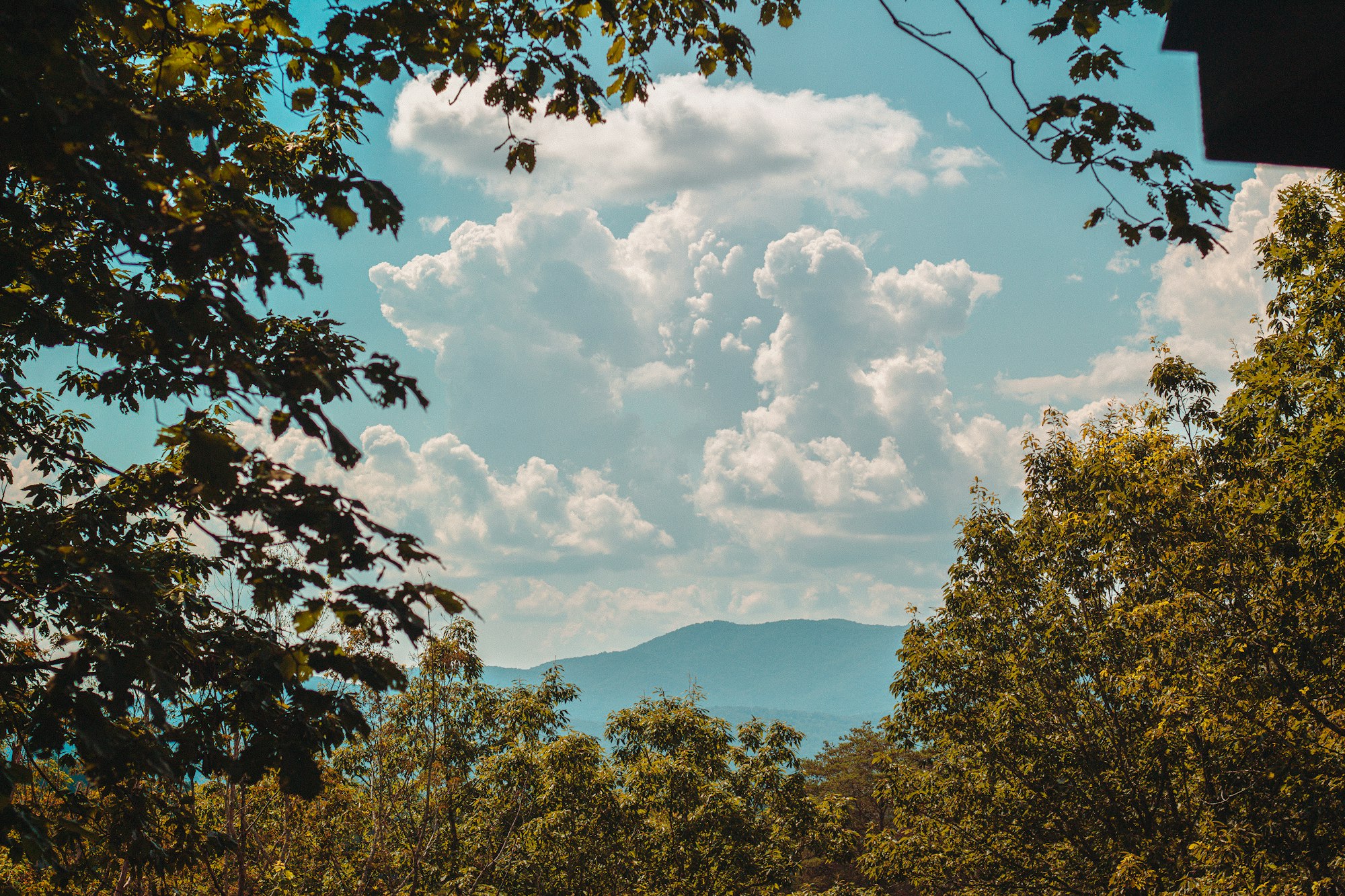
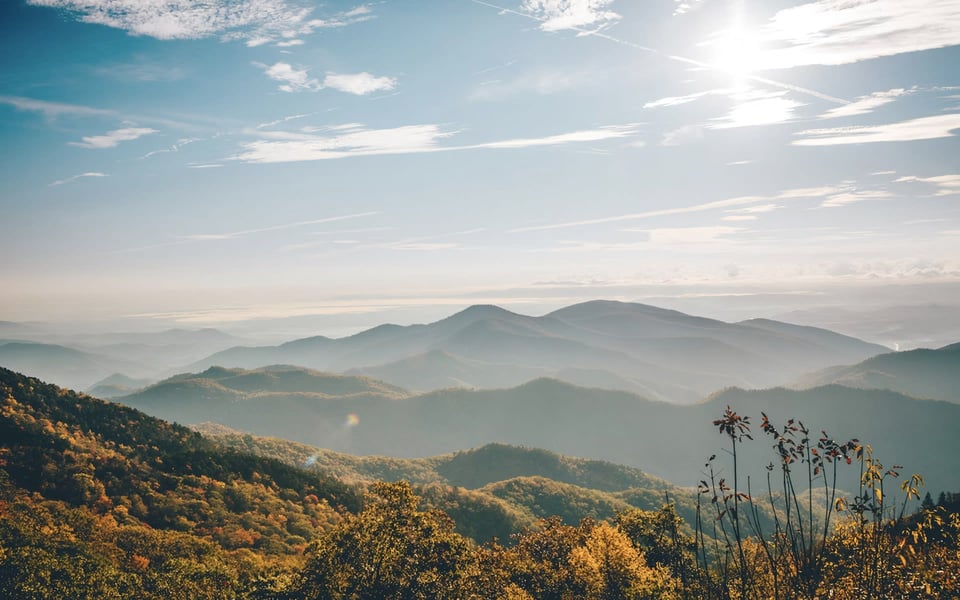
    Blue Ridge, Georgia, is a picturesque town in the foothills of the Appalachian Mountains. This wondrous community immediately catches your attention with its idyllic blend of scenic views, outdoor adventures, and a thriving community atmosphere. Blue Ridge isn’t just a destination; it’s a way of life. With its stunning mountain terrain, tranquil lakes, and charming downtown setting, this town has become a prime location for those looking to embrace a lifestyle of serenity and outdoor exploration without sacrificing modern conveniences.

    Living in Blue Ridge offers residents a harmonious blend of nature and amenities. From cozy cabins to lavish mountain retreats, the variety of housing options reflects the town’s versatility and appeal to different lifestyles. Whether you’re an adventure seeker, a retiree looking for tranquility, or simply seeking a slower pace of life, Blue Ridge, GA, real estate has something for everyone.

    A Thriving Downtown with Small-Town Charm

    One of Blue Ridge’s most captivating aspects is its vibrant downtown, known for its small-town charm and engaging atmosphere. In this historic district, locals and visitors alike enjoy strolling along the streets lined with specialty shops, local boutiques, and quaint restaurants. Here, you can find everything from handcrafted art and decor to delicious farm-to-table dining experiences.

    For those who appreciate creativity and the arts, downtown Blue Ridge hosts regular events such as art walks and workshops, live music performances, holiday festivities, and farmers’ markets. These events foster a strong sense of community and creativity, making the town feel lively yet intimate. The Blue Ridge Scenic Railway offers a nostalgic journey through the mountains, allowing visitors to take in the breathtaking scenery while enjoying the company of their fellow passengers.

    Outdoor Adventures Abound

    Blue Ridge is synonymous with outdoor pursuits. The town is surrounded by the Chattahoochee National Forest, providing endless opportunities for hiking, mountain biking, and exploring the beauty of North Georgia. The iconic Appalachian Trail passes nearby, drawing in hikers from all over the country. The Toccoa River is a hotspot for trout fishing, kayaking, and tubing, while Lake Blue Ridge offers boating, fishing, and swimming opportunities.

    Arts and Entertainment in Blue Ridge

    While Blue Ridge is a haven for outdoor enthusiasts, it’s also a thriving hub for the arts. The Blue Ridge Mountains Arts Association supports local artists and organizes workshops and events. The Blue Ridge Community Theater offers a variety of productions, from comedies and dramas to musicals. Throughout the year, Blue Ridge also hosts art-focused festivals such as the Arts in the Park Festival and the Blue Ridge Mountains Wine & Jazz Festival.

    Every time I introduce a client to Blue Ridge for the first time, I watch them fall in love with it the way I did. The mountains, the community, the pace of life—it’s unlike anywhere else I’ve worked.

    Thomas Echea

    Real Estate Opportunities in Blue Ridge

    The real estate market in Blue Ridge is as varied and charming as the beautiful landscape itself. From quaint cottages and log cabins to sprawling estates with panoramic mountain views, the housing options cater to a range of tastes and preferences. Blue Ridge is an ideal location for those looking for a vacation home, a primary residence, or an investment property.

    Ultimately, living in Blue Ridge, GA, is more than just a change of address; it’s a lifestyle that prioritizes nature, community, and adventure. Contact Thomas Echea to start exploring Blue Ridge real estate today.

  • Living in Blue Ridge: A Serene Mountain Community with Endless Opportunities

    Living in Blue Ridge: A Serene Mountain Community with Endless Opportunities

    The Allure of Blue Ridge

    Living in Blue Ridge, Georgia, means being surrounded by the majestic Appalachian Mountains, where breathtaking vistas and lush forests create a serene and picturesque setting. With its rich history and vibrant culture, this quaint town attracts those seeking a peaceful lifestyle away from the hustle and bustle of city life.

    Natural Beauty and Outdoor Recreation

    One of the most compelling aspects of living in Blue Ridge is the unparalleled access to nature. The Blue Ridge Scenic Railway offers a unique way to explore the landscape, with excursions that wind through the scenic countryside. The Appalachian Trail, stretching over 2,000 miles from Georgia to Maine, begins just a short drive from Blue Ridge, providing endless opportunities for hiking and adventure.

    Lake Blue Ridge is a major attraction for those who enjoy water activities. This pristine lake is ideal for boating, fishing, and swimming and is surrounded by the Chattahoochee National Forest. The lake’s crystal-clear waters and the surrounding wilderness make it a perfect spot for family outings and picnics.

    Small-Town Charm and Community

    The sense of community is strong in Blue Ridge, where residents enjoy a tight-knit, welcoming atmosphere. The downtown area is the heart of this charming town, featuring a variety of local shops, galleries, and restaurants. The annual Arts in the Park festival showcases the work of regional artists and craftspeople, while the Blue Ridge Blues & BBQ Festival draws music and food lovers from across the region.

    Quality of Life and Amenities

    Despite its small size, Blue Ridge offers a high quality of life with access to modern amenities, including the Fannin Regional Hospital and a highly regarded local school system. The town boasts exceptional dining options, from farm-to-table restaurants to cozy cafes, with local favorites like The Black Sheep Restaurant and Harvest on Main.

    Real Estate Opportunities

    The real estate market in Blue Ridge is diverse, offering options from charming historic homes to modern mountain retreats. Whether looking for a cozy cabin nestled in the woods or a spacious home with panoramic mountain views, Blue Ridge provides a variety of choices for different tastes and budgets. The town has seen a steady increase in property values over the years, making it an attractive destination for investors and homebuyers alike.

    The Cultural Scene

    Blue Ridge supports a thriving arts community with several galleries showcasing the work of local artists. The Blue Ridge Mountains Arts Association offers classes, exhibitions, and events throughout the year. Blue Ridge is also home to the Swan Drive-In, one of the few remaining drive-in theaters in the country, adding to the town’s unique charm.

    Climate and Seasons

    Living in Blue Ridge means experiencing four distinct seasons. Spring is marked by blooming flowers and lush greenery, while summer offers warm days perfect for outdoor activities. Fall is the most spectacular season, with the mountains ablaze in vibrant red, orange, and gold hues. Winter brings cooler temperatures and the occasional snowfall, creating a picturesque winter wonderland.

    Blue Ridge is one of those rare places where every season gives you a new reason to fall in love with it. I’ve helped clients find homes here across all four seasons, and each one tells me they can’t imagine living anywhere else.

    Thomas Echea

    Discover the Joy of Living in Blue Ridge

    Whether you’re a young professional seeking a tranquil environment, a family looking for a safe and supportive community, or a retiree wanting to enjoy your golden years in a beautiful setting, Blue Ridge has something to offer. With its welcoming atmosphere and stunning surroundings, Blue Ridge is more than just a place to live—it’s a place to thrive. Contact Thomas Echea to explore available properties in this beautiful mountain community.

  • 7 Things To Do When Moving To A New State

    7 Things To Do When Moving To A New State

    Moving to a new state is an exciting opportunity for a fresh start and new adventures. However, it can also be overwhelming, with many details to consider and tasks to complete. This comprehensive guide will explore essential things to do when moving to a new state, from planning your relocation and exploring your new surroundings to connecting with your community and embracing your new lifestyle.

    1. Research Your New State: Getting to Know Your New Home

    Before you make the move, take the time to research your new state thoroughly. Learn about its geography, climate, culture, and local attractions. Explore different regions and cities within the state to get a sense of where you might want to live. Consider factors such as cost of living, job opportunities, and quality of schools if you have children. By familiarizing yourself with your new state, you’ll feel more prepared and confident as you make the transition.

    2. Plan Your Move: Organizing Your Relocation

    Once you’ve chosen your new state, it’s time to plan your move. Start by creating a timeline and checklist of tasks to complete before, during, and after your move. This may include finding a new home, hiring movers or renting a truck, transferring utilities and services, and updating your address with banks, employers, and other essential contacts. By staying organized and proactive, you can ensure a smooth and stress-free relocation process.

    3. Explore Your New Surroundings: Getting Acquainted with Your Neighborhood

    After you’ve settled into your new home, take some time to explore your new surroundings. Go for a walk or drive around your neighborhood to familiarize yourself with nearby amenities such as grocery stores, restaurants, parks, and schools. Visit local attractions and landmarks to learn more about the history and culture of your new community. By getting out and exploring, you’ll start to feel more at home in your new state.

    4. Connect with Your Community: Building Relationships and Networks

    Moving to a new state can be lonely, but reaching out and connecting with others in your new community is essential. Join local clubs, organizations, or meet-up groups related to your interests or hobbies. Attend community events, festivals, or farmer’s markets to meet new people and immerse yourself in local culture. Consider volunteering or getting involved in community service projects to give back and make a positive impact in your new hometown.

    5. Embrace Your New Lifestyle: Adjusting to Life in Your New State

    Adjusting to life in a new state may take time, but try to embrace the experience with an open mind and positive attitude. Be patient with yourself as you navigate the challenges of settling into a new environment. Take advantage of opportunities to try new activities, explore new cuisines, and discover hidden gems in your new state. Remember that adapting to change is a natural part of the moving process, and with time, you’ll find your rhythm and feel more at home.

    6. Stay Organized and Informed: Managing Your Affairs in Your New State

    As you settle into your new state, it’s important to stay organized and informed about important matters such as taxes, healthcare, and legal requirements. Research state-specific laws and regulations that may affect you, such as vehicle registration and driver’s license requirements. Keep important documents organized and easily accessible, including your lease or mortgage paperwork, insurance policies, and identification documents.

    Whether you’re relocating to Blue Ridge or Fort Lauderdale, I guide out-of-state buyers through every step — from understanding local market dynamics to finding the neighborhood that truly fits your lifestyle.

    Thomas Echea

    7. Reach Out for Support: Seeking Help When You Need It

    Moving to a new state can be challenging, but remember that you don’t have to do it alone. Reach out to friends, family members, or support groups for emotional support and guidance during the transition. Consider hiring professional services such as movers, real estate agents, or relocation specialists to assist you with the logistics of your move. Don’t hesitate to ask for help when you need it, and lean on your support network to navigate the challenges of moving to a new state.

    Embracing Your New State

    Moving to a new state is a significant life change that offers endless opportunities for growth, exploration, and personal fulfillment. From researching your new state and planning your move to exploring your new surroundings and connecting with your community, each step of the journey brings you closer to feeling at home. Contact Thomas Echea to begin your relocation journey with experienced guidance every step of the way.

  • Everything You Need to Know About Moving to Blue Ridge

    Everything You Need to Know About Moving to Blue Ridge

    Nestled in the foothills of the Appalachian Mountains, Blue Ridge, Georgia is one of the South’s most charming small towns — and it’s increasingly attracting families, remote workers, retirees, and second-home buyers who are ready to trade urban pace for mountain serenity. Here’s everything you need to know before making the move.

    1. MAJESTIC BLUE RIDGE LAKE

    Blue Ridge Lake is the crown jewel of the area — a 3,290-acre reservoir offering boating, kayaking, paddleboarding, fishing, and some of the most spectacular lakefront property in North Georgia. Living near the lake means access to a recreational lifestyle that city residents drive hours to experience on weekends. Lakefront and lake-view properties command premium prices and hold their value exceptionally well.

    2. HIKING ADVENTURES IN THE BLUE RIDGE MOUNTAINS

    The Blue Ridge area sits within the Chattahoochee National Forest, offering hundreds of miles of trails for hikers of all skill levels. From gentle waterfall walks to challenging ridge climbs with panoramic summit views, outdoor enthusiasts will find endless reasons to step outside. This access to pristine natural landscape is a defining feature of life here — and a key driver of the area’s real estate appeal.

    3. A VIBRANT ARTS AND CULTURE SCENE

    Despite its small size, Blue Ridge punches well above its weight culturally. The Blue Ridge Community Theater, local art galleries, the Blue Ridge Film Festival, seasonal festivals, and a thriving live music scene give residents a rich cultural calendar throughout the year. Many people are surprised to discover how much creative energy this mountain town sustains.

    4. QUAINT SHOPS AND CULINARY DELIGHTS

    Downtown Blue Ridge is a walkable collection of boutique shops, antique stores, wine bars, and acclaimed restaurants. The dining scene has evolved considerably in recent years, with farm-to-table concepts, craft breweries, and a growing roster of chef-driven restaurants drawing visitors from Atlanta and beyond. Residents enjoy the kind of walkable, local-first downtown that many larger cities aspire to recreate.

    5. A TIGHT-KNIT COMMUNITY

    One of the most common things new Blue Ridge residents say is that they were surprised by how quickly they felt at home. The community is genuinely welcoming — farmers markets, neighborhood events, volunteer organizations, and civic groups make it easy to connect and put down roots. For families and retirees especially, that sense of belonging is irreplaceable.

    6. REAL ESTATE OPPORTUNITIES

    Blue Ridge offers a diverse real estate landscape — from cozy in-town cottages to expansive mountain estates with long-range views, lakefront cabins, and new construction luxury homes. The market has attracted significant investment from buyers fleeing higher-cost metros, and values have risen steadily. Whether you’re seeking a primary residence, a vacation rental investment, or a second home, there are compelling options at multiple price points.

    7. A PEACEFUL RETREAT

    Above all, Blue Ridge offers something increasingly rare: genuine peace and quiet. Clean air, dark skies, four distinct seasons, and a pace of life that allows you to breathe. For those who have spent years in high-pressure urban environments, the mental and physical reset that mountain living provides is profound — and for many, it’s the primary reason they decide to stay permanently.

    Every week I work with buyers who have dreamed about Blue Ridge for years before finally making the move — and not one of them has ever told me they wished they had waited longer. This community has a way of capturing people completely.

    Thomas Echea

    PARTNER WITH THOMAS ECHEA

    Ready to make Blue Ridge home? As a luxury real estate specialist with deep roots in the North Georgia mountains, I can guide you through every step of the process — from identifying the right neighborhoods to closing on the property that fits your vision. Contact me today to start your Blue Ridge journey.