

The Quick Version
- As of October 2026, “sell in winter or wait for spring?” is a property-readiness decision, not a guaranteed seasonal price outcome.
- Compare your target date, access, occupancy, preparation work, and current competing listings.
- A winter plan should document arrival, parking, heating, lighting, and showing coordination for the specific property.
- A spring plan can use the extra preparation time for repairs, records, photography, and scheduling.
- Choose the launch window you can support, then review the decision with current local evidence.
As of October 2026, deciding whether to sell a Blue Ridge cabin in winter or wait for spring starts with the property and your calendar. A seasonal headline cannot tell you whether this home is ready, accessible, vacant, or easy to show.
I’m Thomas Echea, a Luxury Real Estate Advisor with E+E Group at Compass, with 25+ years in real estate. I help owners compare launch timing and preparation in the North Georgia mountains. This guide is a decision framework; it does not claim a winter price premium, a spring demand increase, or a certain sale timeline.
What should shape a winter-versus-spring choice?
Start with five inputs: your preferred date, the work the property still needs, how a buyer can reach and tour it, any occupancy commitments, and the homes competing for the same buyer. Gather current information for the property and its market area before choosing a launch window.
How should a winter showing plan work?
For a winter launch, write down the arrival route, parking and turnaround options, who maintains the drive, how the home is heated before a showing, which lights and systems need instructions, and who can authorize access. Confirm property-specific answers with the owner, manager, road association, or qualified service provider as appropriate.
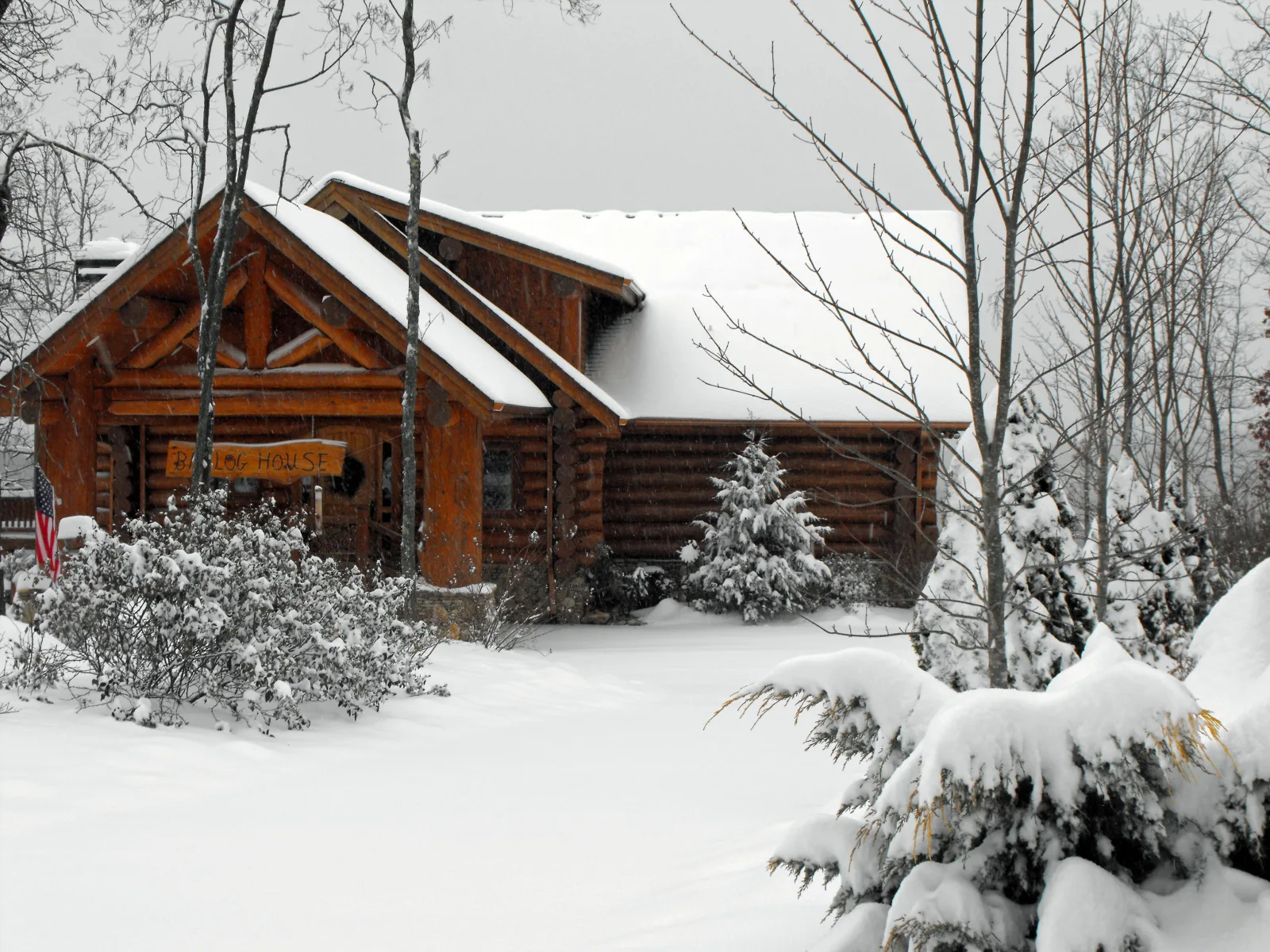
Choose someone who can report a changed condition before each appointment, and agree on what happens if a route or system is not ready. These are questions for the particular parcel and forecast. Avoid promising a buyer that every road, driveway, heating system, or outdoor feature will be available in every condition.
For a forecast close to your appointment, check the National Weather Service’s 7-day zone forecast for North and Central Georgia, then confirm site-specific road and driveway conditions with the responsible person.
Our room-by-room seller staging checklist covers interior preparation. Use it alongside the access and systems questions here; a tidy interior does not answer road, heating, or occupancy questions.
What can a spring preparation window change?
Waiting can create time to request missing records, schedule maintenance, complete agreed repairs, organize keys and access instructions, and plan photography. List the tasks that matter to your property and get realistic timing from the relevant contractor or professional before treating a target date as available.
Ask a photographer how a proposed date affects daylight, exterior views, and the appearance of the grounds. A wooded view, garden, lawn, or lake edge may look different across the year, but a calendar alone does not guarantee a particular view or visual result. Decide which features can be photographed accurately now and which may need a later image.
Spring preparation can also help an owner work through the property file: improvement dates and receipts, utility and system information, survey or access documents already available, service records, and occupancy details. Separate items you have from questions that need a county office, attorney, inspector, surveyor, or other qualified source.
How should current competition affect the date?
Ask for a dated review of active listings that a likely buyer might also consider. Compare location, property type, asking price, documented features, condition, access, and how each home is presented. Ask which examples are truly comparable and where the comparison breaks down.
Do not treat a small active-listing sample as proof of closed-sale value or future demand. Active prices are seller asking prices; they do not establish what a buyer will pay. A useful market review should identify its geography, date, property criteria, and whether it covers active listings or completed sales.
If a seasonal comparison is offered, ask for the same property criteria and months across the periods being compared, plus the number of records behind each result. If that evidence is not available, keep the discussion at the level of the current competition and your own readiness rather than assuming winter is quieter or spring is stronger.
What should go in your launch decision worksheet?
Write the desired listing date at the top, then complete this seven-item worksheet with dates, names, and open questions. Treat each answer as a planning input rather than a prediction of the final sale result.
- 1. Timing: What date matters to you, and what event or commitment sets it?
- 2. Readiness: Which repair, record, cleaning, or photography tasks remain, and who confirmed their timing?
- 3. Access: Who confirms the route, parking, heating instructions, keys, and showing appointments?
- 4. Occupancy: Which calendar blocks or notice requirements affect access, and who can approve a showing?
- 5. Market evidence: What current competing homes and comparable closed sales were reviewed, with what date and criteria?
- 6. Carrying costs: What are your documented monthly loan, tax, insurance, utility, and planned maintenance costs?
- 7. Decision: What would have to change for you to choose the other launch window?
For arithmetic only, if an owner enters a hypothetical $4,000 in monthly holding costs and chooses a 3-month wait, the simple comparison is $4,000 × 3 = $12,000. Those are invented example inputs, not North Georgia averages; the multiplication excludes changes and one-time costs and does not predict sale price or income.
If you are ready and can support accurate access and presentation, ask your agent to review the current competition and prepare a launch checklist. If important work or documentation is unfinished, identify the person responsible and a date to revisit the plan. A later date is useful only when it gives you a concrete task to complete.
Should you sell a Blue Ridge cabin in winter?
There is no universal answer. Choose the window that fits your timing, property readiness, access plan, occupancy schedule, and current market evidence. If you want to discuss a property-specific checklist, you can start with the seller information page.
Frequently asked questions
Is winter a bad time to sell a Blue Ridge cabin?
Not by itself. Compare timing, readiness, access, occupancy, and current competition. Season alone does not establish price or sale outcome.
What should I check before winter showings?
Confirm the arrival route, parking, maintenance contact, heating instructions, lights, keys, and showing access with the responsible owner or provider.
Will waiting until spring improve the sale price?
This guide does not establish a seasonal price effect. Request comparable local data and weigh what extra preparation time would allow.
What if my cabin is rented or occupied?
Put occupied dates, notice windows, turnover plans, permissions, and the access contact in the showing plan. Review agreements with the appropriate professional.
How should I compare winter and spring competition?
Request dated, consistently scoped active and closed comparisons with criteria and record counts. If seasonal evidence is unavailable, use current competition and readiness without claiming a trend.