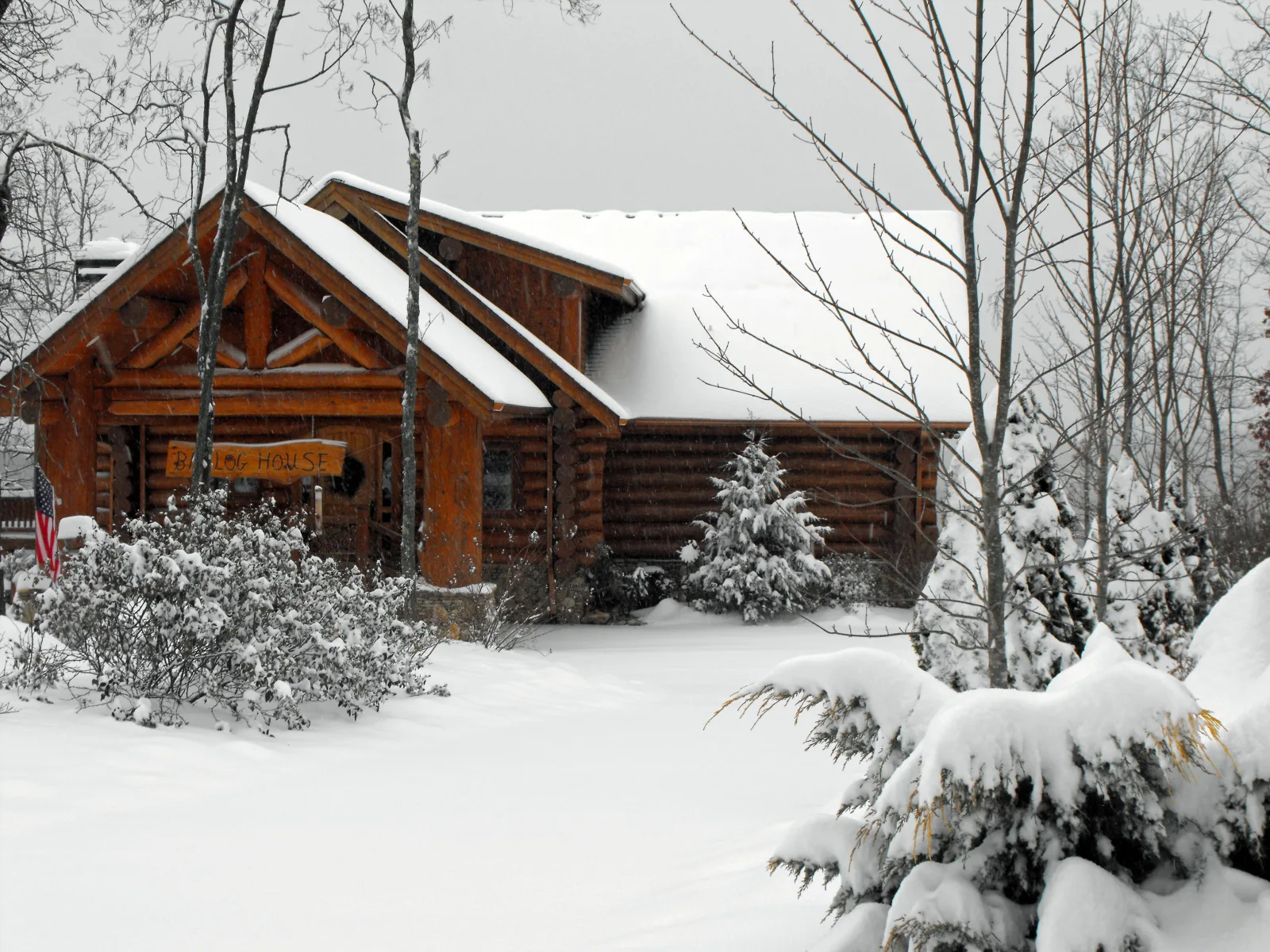


The short version
- Home staging in Blue Ridge is preparation, not renovation: clean, declutter, and present each room and the view so buyers can picture themselves in the home.
- A mountain cabin needs a few things a house in town does not: a documented septic and well record, safe road and driveway access, and showing logistics for a property you may not occupy full time.
- Separate what you can do yourself, what needs a contractor or inspector, and what to decide with your listing advisor. No single repair carries a guaranteed return, so spend where it removes a buyer’s doubt.
- Use the room-by-room checklist below, then the Blue Ridge mountain-cabin section, and keep the print-friendly handout beside you.
Staging isn’t about buying new décor or redesigning your home from scratch. It’s about editing, organizing, and presenting each space strategically — so buyers notice what matters and can picture themselves living there comfortably.
A room-by-room checklist keeps the process manageable and makes sure nothing important gets overlooked before listing.
Entryway: First Impressions Start Here
A clean, open entryway immediately signals care and quality. Buyers decide how they feel about a home within seconds — this room sets the tone for everything that follows.
What to do
- Add a simple console table or small décor piece
- Keep shoes and personal items stored away
- Use a mirror or artwork to create visual interest
- Ensure lighting is bright and welcoming
What to avoid
- Piles of shoes near the door
- Bulky furniture blocking the entrance
- Dark entryways with poor lighting
Living Room: Create a Space That Feels Open and Comfortable
Buyers should be able to move through the space easily. The goal is an open, inviting room that feels like a natural gathering place.
What to do
- Arrange seating to encourage conversation, not just face the TV
- Remove excess furniture to make the room feel larger
- Add neutral throw pillows or a textured blanket
- Open curtains to maximize natural light
What to avoid
- Oversized furniture crowding the room
- Too many decorations or accessories
- Dark or heavy curtains blocking windows
Kitchen: Keep It Clean, Clear, and Bright
The kitchen should feel spacious, fresh, and functional — buyers will spend time here and they will look inside cabinets.
What to do
- Clear countertops as much as possible
- Add one simple focal point — a bowl of fruit or fresh flowers
- Clean appliances thoroughly
- Organize pantry and cabinets
What to avoid
- Too many small appliances on the counter
- Cluttered refrigerator doors
- Dirty grout or visible stains
Dining Room: Highlight the Entertaining Potential
The goal is to suggest gatherings without overwhelming the room. Simple, elegant, and open is the right note.
What to do
- Keep table settings simple with a small centerpiece
- Make sure lighting fixtures are clean and bright
- Position chairs neatly
What to avoid
- Overly formal or elaborate table settings
- Too many decorative items competing for attention
- Bulky furniture that limits the sense of space
Bedrooms: Create a Calm, Restful Atmosphere
A well-staged bedroom helps buyers imagine relaxation and comfort — not someone else’s life. The less personal, the better.
What to do
- Use neutral bedding with light layers
- Keep nightstands simple
- Remove personal photos and bold décor
- Ensure closets are organized and only 60–70% full
What to avoid
- Overcrowded dressers or surfaces
- Bright or bold bedding
- Too many personal items that make the room feel “taken”
Bathrooms: Think Clean and Spa-Like
Cleanliness in bathrooms strongly influences buyer confidence. A bathroom that looks and smells clean communicates a well-maintained home throughout.
What to do
- Use fresh white towels
- Clear countertops completely
- Add one plant or small decorative element
- Deep clean mirrors, grout, and fixtures
What to avoid
- Toiletry clutter on counters or in the shower
- Old shower curtains
- Worn or mismatched bath mats
Outdoor Spaces: Don’t Forget the Exterior
Outdoor areas should feel like an extension of the living area — not an afterthought. First impressions begin before buyers reach the front door.
What to do
- Arrange outdoor seating to show entertaining potential
- Sweep patios and walkways
- Trim landscaping and remove dead plants
- Add simple planters for color
What to avoid
- Cluttered patios with unused furniture or equipment
- Broken or weathered outdoor furniture
- Overgrown landscaping blocking windows or walkways
Preparing and Staging a Blue Ridge Mountain Cabin for Sale
A mountain property asks for a little more staging and prep than a home in town. As of fall 2026, buyers here weigh the setting, the access, and how the cabin has held up through mountain seasons. The work is to document the property honestly and make it easy and safe to show. Move through four steps in order: document the condition, line up the maintenance questions, organize access, and set your presentation priorities.
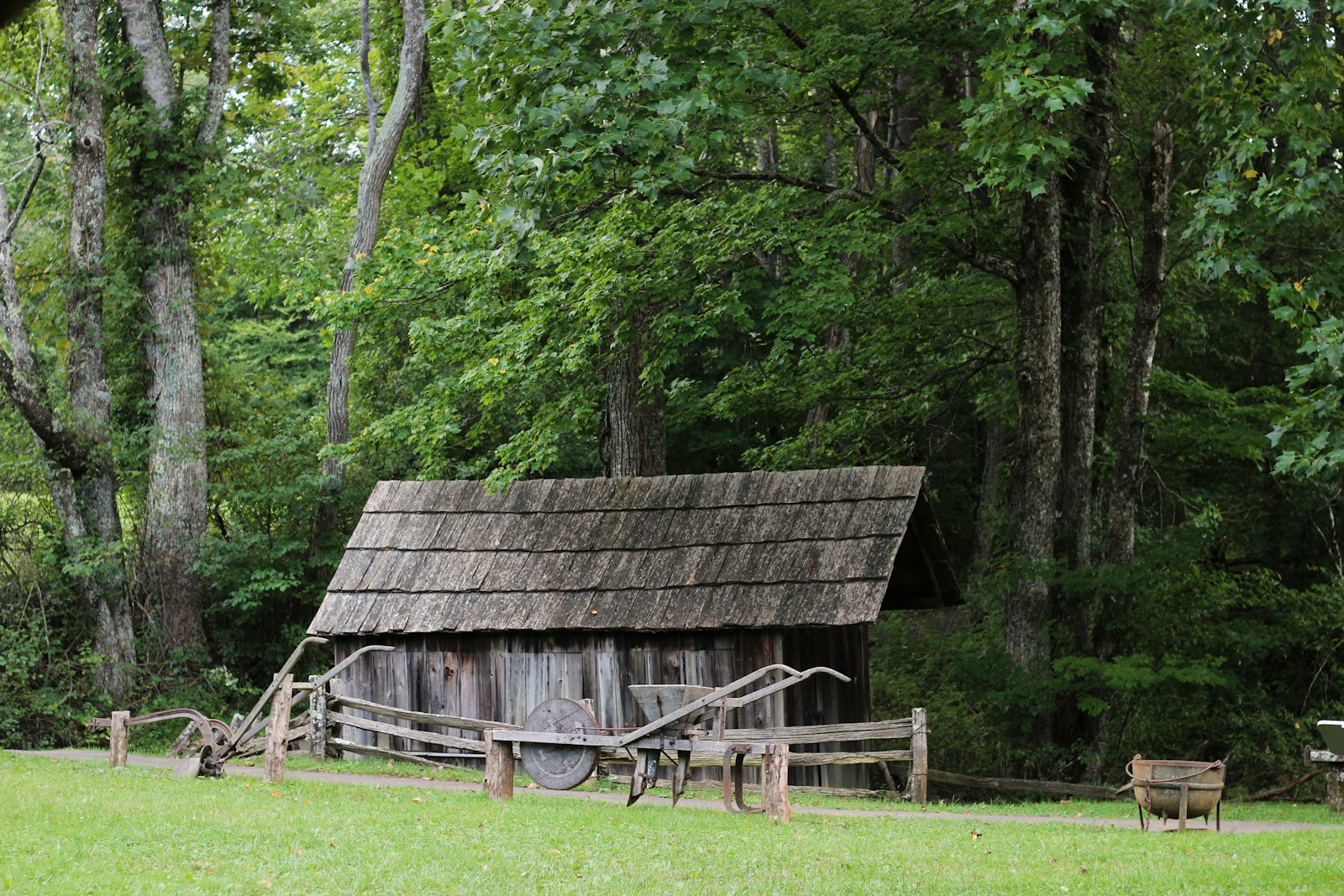
1. Document the current condition
Gather the records a mountain buyer and their lender will ask for. Put the septic pump-out and inspection, a recent well flow and water-quality test, the roof and HVAC ages, and any road or driveway maintenance in one folder.
Septic capacity matters on a cabin. Georgia sizes a tank at 1,000 gallons for 1 to 4 bedrooms, then adds 250 gallons per bedroom above 4 (Georgia Department of Public Health, on-site sewage management). A cabin marketed to sleep 12 invites that math. If you rent the cabin, add the guest-stay and maintenance logs.
2. Line up the maintenance questions
Answer these with a professional before you list, not during a buyer’s inspection. On a mountain lot that means septic capacity and drainage, well flow and potability, and the grade of the driveway. It also means deck and railing safety, plus how the gutters handle rain and debris. Ask a contractor or inspector to confirm each one, and keep their notes with your records.
3. Organize access and showing information
Mountain showings carry logistics a suburban listing does not. Write down gate codes, how the driveway behaves in rain or snow, and whether any road is seasonal or shared. Note who to call if a showing needs help. If you live elsewhere for part of the year, decide in advance who checks, cleans, and opens the home, and who holds keys. Clear access keeps a serious buyer from leaving over a locked gate.
4. Set your presentation priorities
Present the setting first. Clean the glass, and where a sightline has grown in, selective tree trimming can reopen a view. Wood interiors read dark in photos, so open every shade and add warm light. Stage the deck, porch, and fire pit as living space. Set priorities by what removes a buyer’s doubt, not by chasing a return. No single improvement guarantees a higher price, and the right list depends on your cabin, road, and view.
Mountain-cabin preparation checklist
This separates what you can handle yourself from what belongs to a professional and what to decide together with your listing advisor. It is a discussion guide, not a required renovation list, and it names no budget or promised return.
| Do it yourself (owner actions) | Ask a contractor or inspector | Decide with your listing advisor |
|---|---|---|
| Declutter, deep clean, and depersonalize each room using the checklist above | Is the septic tank sound and recently pumped, and sized for the bedroom count? | Which repairs are worth doing before listing versus disclosing as-is |
| Gather septic, well, roof, HVAC, and road-maintenance records in one folder | Does the well deliver adequate flow, and is the water test current? | Whether to trim a grown-in view, and how far |
| Clear and light the interior; open sightlines to the view | Are the deck, railings, and steps safe and up to code? | How to present rental history and records, if the cabin is rented |
| Stage the deck, porch, and fire pit as outdoor living space | Do the driveway grade, drainage, and gutters handle mountain rain? | Showing logistics, access, and timing for a remote or seasonal owner |
| Write down gate codes, access notes, and seasonal-road details | Any moisture, foundation, or crawl-space issues to address? | Pricing to comparables and the marketing plan for your specific property |
Print-friendly seller handout
Copy or print this quick list and check it off as you go:
- ☐ Every room decluttered, deep-cleaned, and depersonalized
- ☐ Septic pump-out and inspection record located
- ☐ Well flow and water-quality test current
- ☐ Roof and HVAC ages documented
- ☐ Deck, railings, and steps checked for safety
- ☐ Driveway, drainage, and gutters cleared and reviewed
- ☐ Sightlines to the view opened; interior lit and glass cleaned
- ☐ Outdoor living spaces staged
- ☐ Gate codes, access, and seasonal-road notes written down
- ☐ Rental records gathered (if applicable)
- ☐ Repair-versus-disclose and pricing decisions discussed with your advisor
When you are ready to turn this list into a plan, see how a Blue Ridge home gets sold. To weigh price and preparation together, read what your Blue Ridge home is worth. If the cabin needs real work, selling a Georgia house that needs work covers the repair-or-sell-as-is decision, and the questions to put to any listing professional live in questions to ask before you hire an agent. Selling a cabin you rent out? Start with selling a short-term rental cabin in Blue Ridge.
Frequently asked questions
How is preparing a mountain cabin different from staging a home in town?
The room-by-room work is the same, but a cabin adds a few items: documenting the septic and well, confirming safe road and driveway access, opening sightlines to the view, and organizing showings for a property you may not occupy full time. Buyers here are weighing the setting and how the home has been maintained through mountain seasons.
Should I make repairs before listing, or sell as-is?
It depends on the specific issue and your timeline, and no single repair carries a guaranteed return. Spend where it removes a buyer’s doubt rather than chasing a payback figure. Decide the repair-versus-disclose question with your listing advisor, and for a deeper walk-through of the trade-off, read our guide to selling a Georgia house that needs work.
What records should I gather before listing a Blue Ridge cabin?
Put the septic pump-out and inspection record, a current well flow and water-quality test, the roof and HVAC ages, and any road or driveway maintenance history in one folder. If you rent the cabin, add the guest-stay and maintenance logs. These are the documents a mountain buyer and their lender ask for.
Staging is not about perfection — it’s about presentation. When buyers enter a well-prepared home, they experience comfort, relaxation, and inspiration. Most staging improvements are simple, but they can make a significant difference in how quickly a home sells and how strongly buyers respond.
Thomas Echea