
The quick answer
A Blue Ridge GA short term rental can pencil out, but local rules decide it before the revenue does. Lodging tax runs 8% inside the city and 6% in unincorporated Fannin County. The city also allows short-term rentals only on commercial parcels, while county cabins must register and collect tax. Figures below are current as of June 2026.
- City of Blue Ridge: STRs only in commercial zones, with an annual STR certificate
- Unincorporated Fannin County: register the cabin and collect the 6% county lodging tax
- City lodging tax is 8%; Georgia adds a $5-per-night state hotel fee
- Demand is seasonal, led by fall leaf color, summer river days, and holidays
- The best cabins sleep a group, offer a view or creek, and stay easy to reach year-round
Before you run the rental numbers, see what guests come to Blue Ridge for — the railway, the lake, and the seasons that fill calendars.
Buying a cabin near Blue Ridge to run as a vacation rental can be a sound move. This market rewards planning over guesswork. Before you model income, you need three things straight: where the property sits, what the rules allow, and how the seasons drive bookings. Get those right and the numbers get honest.
Is a Blue Ridge GA short term rental a good investment?
It can be, once legal use and seasonality are on your side. Blue Ridge draws a broad tourism base, not a single niche. Visitors come for hiking, trout fishing, tubing, the Scenic Railway, and the galleries and breweries downtown. The town sits roughly 90 miles north of Atlanta, which feeds the drive-to weekend market that powers most mountain rentals.
The product mix tells you what guests want. Public AirDNA data for the Blue Ridge market skews almost entirely to whole-home cabins, near 99% of listings, as of 2026. The common sizes are 3-bedroom homes around 37%, then 2-bedroom at 24% and 4-bedroom at 22%. Treat those as broad benchmarks, never a forecast for one specific cabin.
Where are short-term rentals allowed near Blue Ridge?

Start with one question: is the property inside Blue Ridge city limits or in unincorporated Fannin County? That answer changes what is legal. The City of Blue Ridge allows short-term vacation rentals only on Central Business District (CBD) parcels. Unincorporated county cabins face fewer location limits but still must register and pay tax. The table sums up the rules that matter most, current as of June 2026.
| Rule | City of Blue Ridge | Unincorporated Fannin County |
|---|---|---|
| Where STRs are allowed | Central Business District (CBD) only; older Limited and General Commercial rentals are grandfathered | Widely allowed across the county |
| Permit before renting | STR certificate plus an occupation tax certificate | Register the cabin and hold a lodging tax certificate |
| Local lodging tax | 8% hotel-motel excise | 6% hotel-motel excise |
| Reporting | Monthly, due by the 20th | Monthly, due by the 20th |
These specifics change, so confirm the current ordinance with each office before you buy. A beautiful cabin is not automatically a legal rental.
What permits and lodging taxes apply?
Inside the city, no rental may be offered until you hold a short-term vacation rental certificate, an occupation tax certificate, and have paid the applicable state and city taxes. The certificate renews each year. The city levies an 8% hotel-motel excise tax on short stays, reported monthly by the 20th.
In unincorporated Fannin County, owners register the cabin through the county lodging tax portal and remit a 6% excise tax. The county also wants a local contact reachable 24 hours a day who can reach the cabin within two hours, plus posted occupancy and emergency details. On top of local tax, Georgia charges a $5-per-night state hotel fee until a stay reaches 31 days, and state sales tax applies to lodging.
When does a Blue Ridge cabin actually book?
Blue Ridge is seasonal, but not summer-only. Fall is the headline act, when October leaf color and events like Fall Arts in the Park and Light Up Blue Ridge fill weekends. Summer leans on the lake and tubing the Toccoa River. Holidays add another peak. Spring and winter run quieter, with winter handing the trails back to locals.
For a buyer, that means underwriting a weekend-and-holiday business, not a steady monthly lease. AirDNA data shows close to 68% of listings use a 2-night minimum, which tells you guests book short stays around those peaks. Plan cash flow for the swings instead of assuming smooth, even occupancy across the year.
What makes a strong short-term rental cabin here?
The best performers match how the area is sold to visitors. A few features come up again and again on the cabins that stay booked:
- Easy access on paved or well-graded roads that guests and cleaners can reach in any season
- A view or water, whether a long-range ridge view or a creek and river frontage
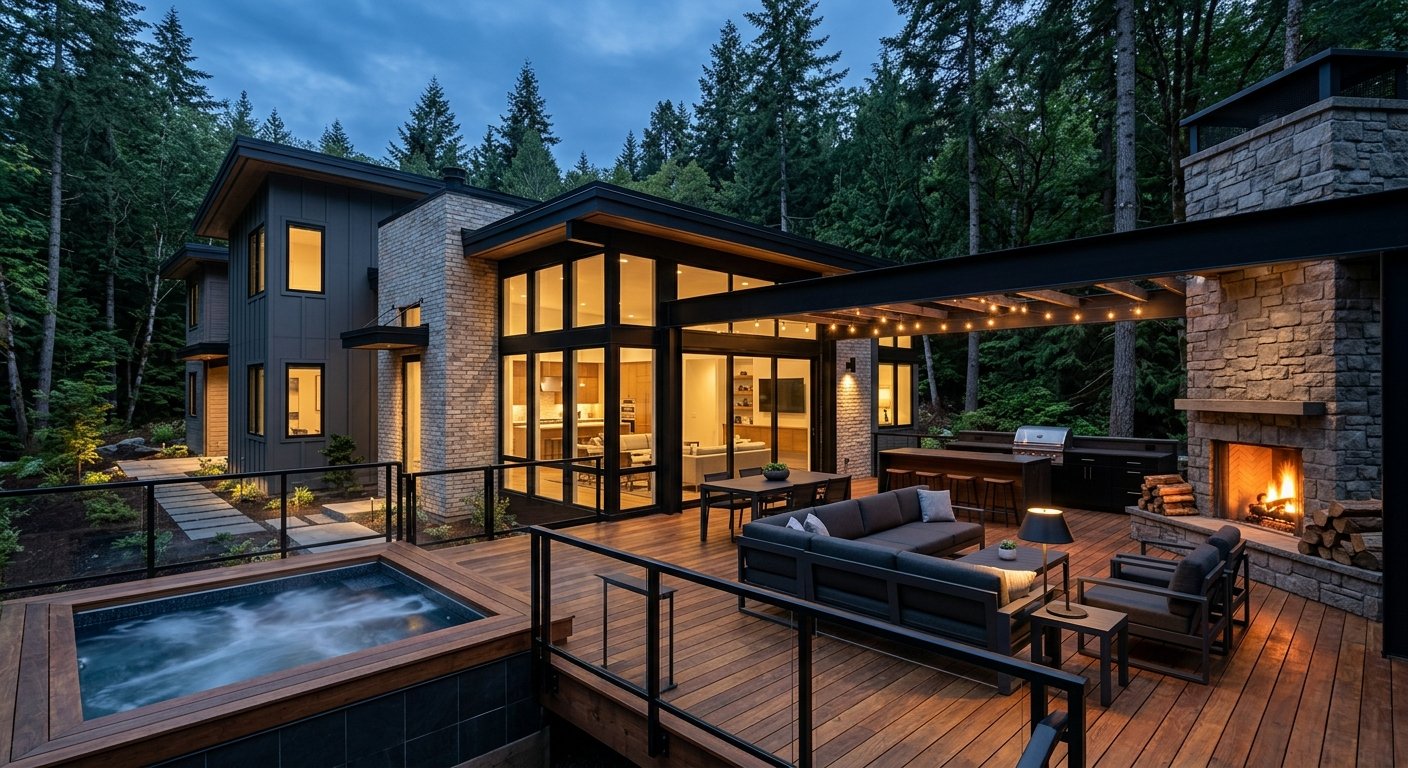
- A hot tub, one of the most requested amenities in mountain markets
- Room for a group, since 2- to 4-bedroom homes match the dominant demand
- Reliable internet and all-season heating and cooling, which guests now treat as basics
How to evaluate a cabin before you offer
Build a comp set that goes deeper than a ZIP code. Compare by bedroom count, setting, road access, and amenities. A 3-bedroom cabin with a paved approach and a hot tub competes very differently from a similar home down a steep gravel grade. Match the property to the area’s 2- to 4-bedroom whole-home demand, and you start from firmer ground.
Then underwrite the real costs. Local lodging tax, the state nightly fee, management, cleaning, maintenance, insurance, and reserves all sit between gross income and what you keep. It is the kind of math Thomas Echea walks Florida buyers through before they fall for a view. When the cabin still works on paper, you can move with confidence.
The buyers who win here model taxes, management, and seasonality upfront, then still like the numbers. The cabin has to work as a business, not just as a dream.
Thomas Echea
Frequently Asked Questions about Blue Ridge short-term rentals
Can you run a short-term rental inside Blue Ridge city limits?
Only in the Central Business District. The City of Blue Ridge limits new short-term vacation rentals to its Central Business District zone (older rentals in its Limited and General Commercial zones are grandfathered), and you must hold a city STR certificate and occupation tax certificate before renting. Confirm a parcel’s zoning with the city before you buy.
What taxes does a Blue Ridge short-term rental pay?
City rentals pay an 8% hotel-motel excise tax, while unincorporated Fannin County rentals pay 6%, both reported monthly by the 20th. Georgia also adds a $5-per-night state hotel fee until a stay reaches 31 days, plus state sales tax on lodging. Confirm current rates with each office.
Do you need a permit for a cabin in unincorporated Fannin County?
Yes. You register the cabin through the county lodging tax portal, collect and remit the 6% excise tax, and name a local contact who can reach the property within two hours. The county also requires posted maximum occupancy and emergency information inside the rental.
When is the busy season for Blue Ridge vacation rentals?
Fall is the peak, driven by October leaf color and downtown events, followed by summer lake and river travel and the holidays. Spring and winter are quieter. Because demand clusters around weekends and peak weeks, owners should underwrite a seasonal business rather than steady monthly income.
If you want help weighing cabins, second homes, or investment-minded properties in Blue Ridge and the North Georgia mountains, explore the Blue Ridge neighborhood guide, read the Blue Ridge cabin market guide, and see the guide to selling a Blue Ridge home for the other side of the trade. Then contact Thomas Echea to plan your search with local insight.