
The Quick Version
- Secluded mountain homes stay private because of sight lines, road control and neighbors’ future plans, not acreage alone.
- A square 5-acre lot is only about 467 feet across, so a neighbor at the edge can still see you.
- Fannin County held 1,229 single-family listings in August 2026, so you can wait for the right lot.
- Score every property on six factors before you fall for the view.
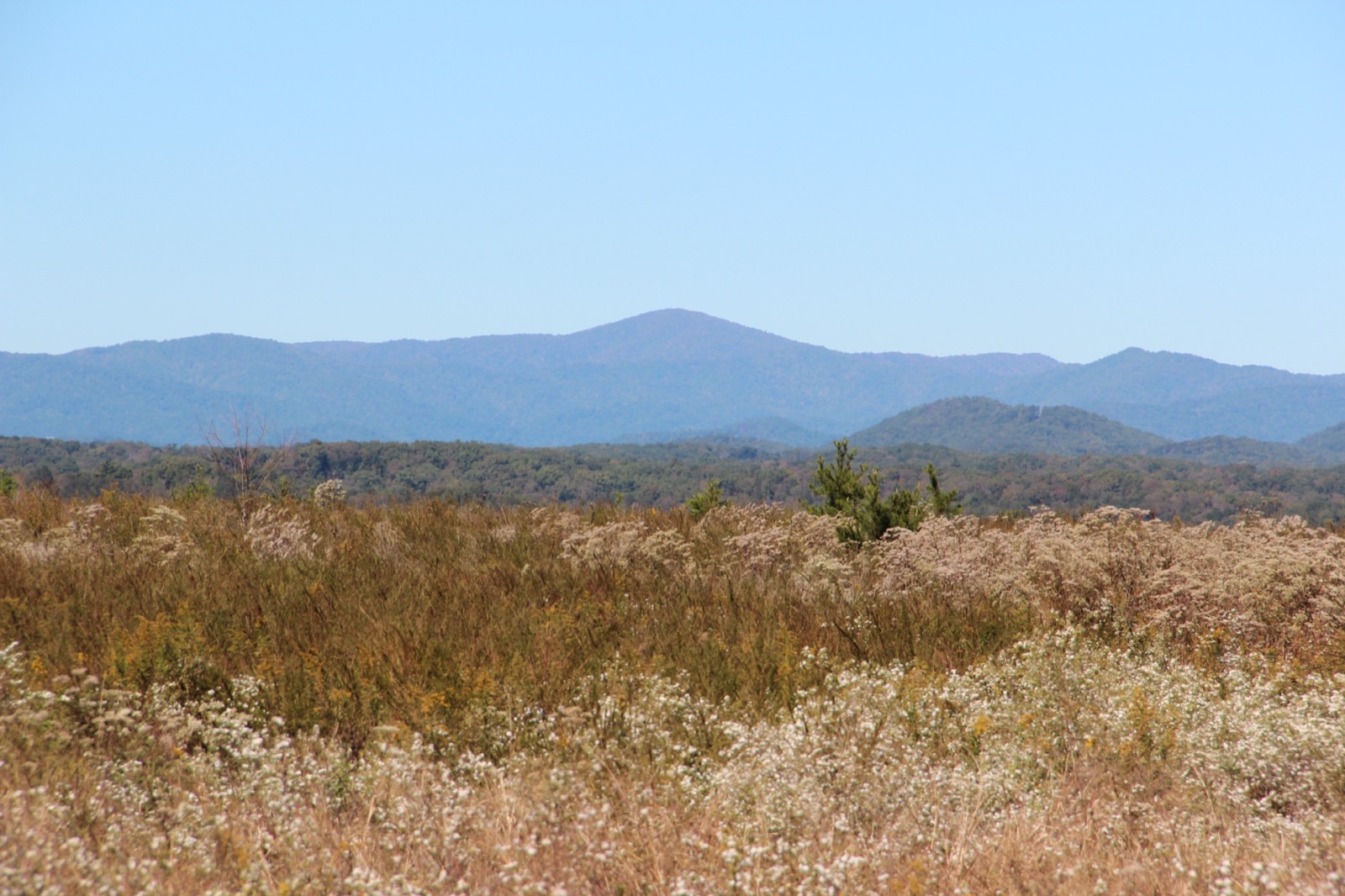
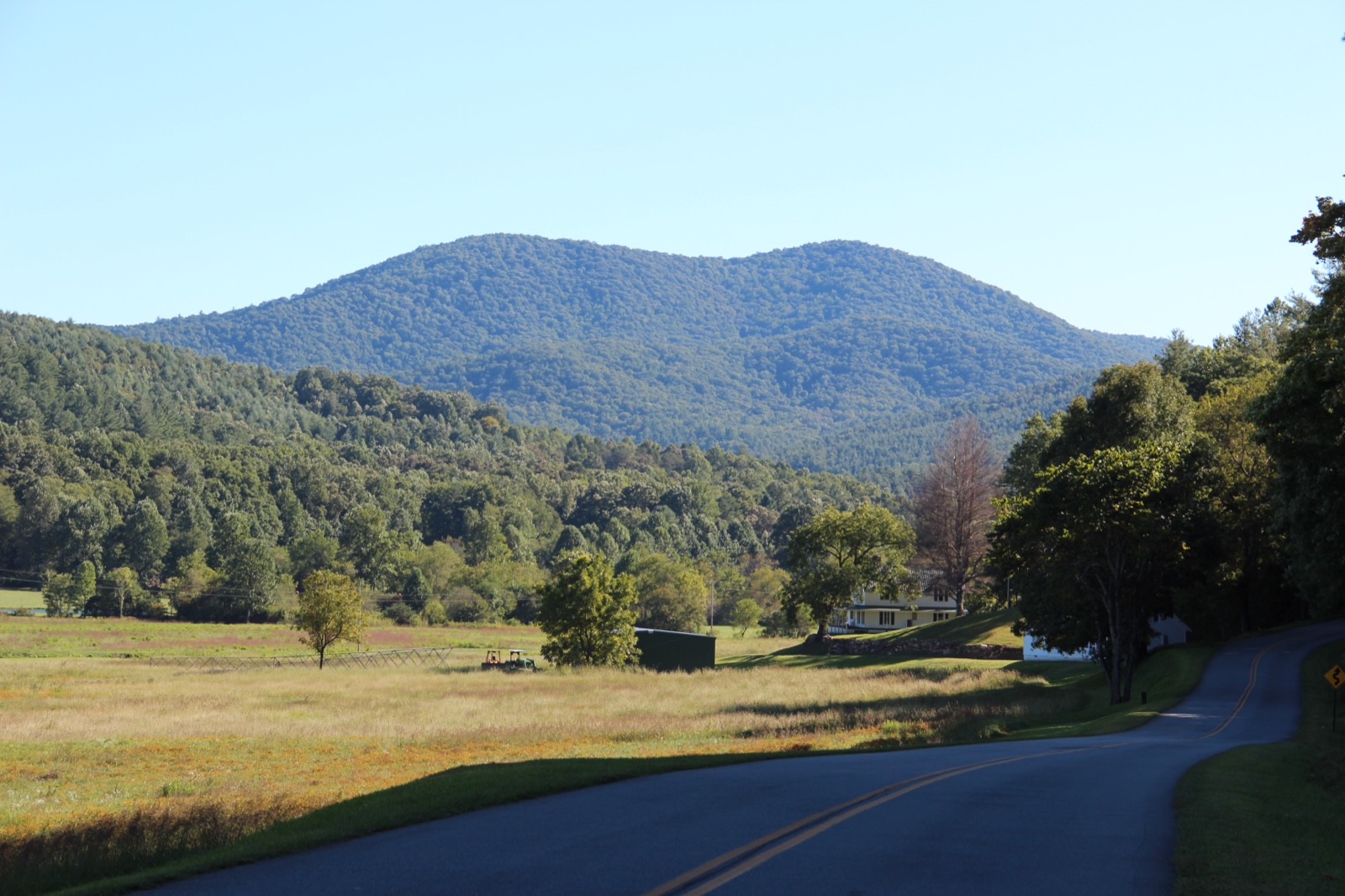
Most buyers who ask me about secluded mountain homes for sale begin with a single number, the acreage, and that is the wrong first question. In Fannin County, five acres can feel like a private valley or like a front yard with a stranger’s roofline in it, depending entirely on where the land sits.
I’m Thomas Echea, a Luxury Real Estate Advisor with Compass in Blue Ridge. What follows is the method I use to judge privacy on a North Georgia mountains property before anyone discusses price, backed by Fannin County market data as of August 2026.
What actually makes a mountain home private?
Sight lines make it private, and acreage only helps when it changes what an adjoining owner can see. A 5-acre parcel covers 217,800 square feet; shaped like a square, it measures about 467 feet on each side, which is a short enough span to spot a rooftop across the boundary in winter.
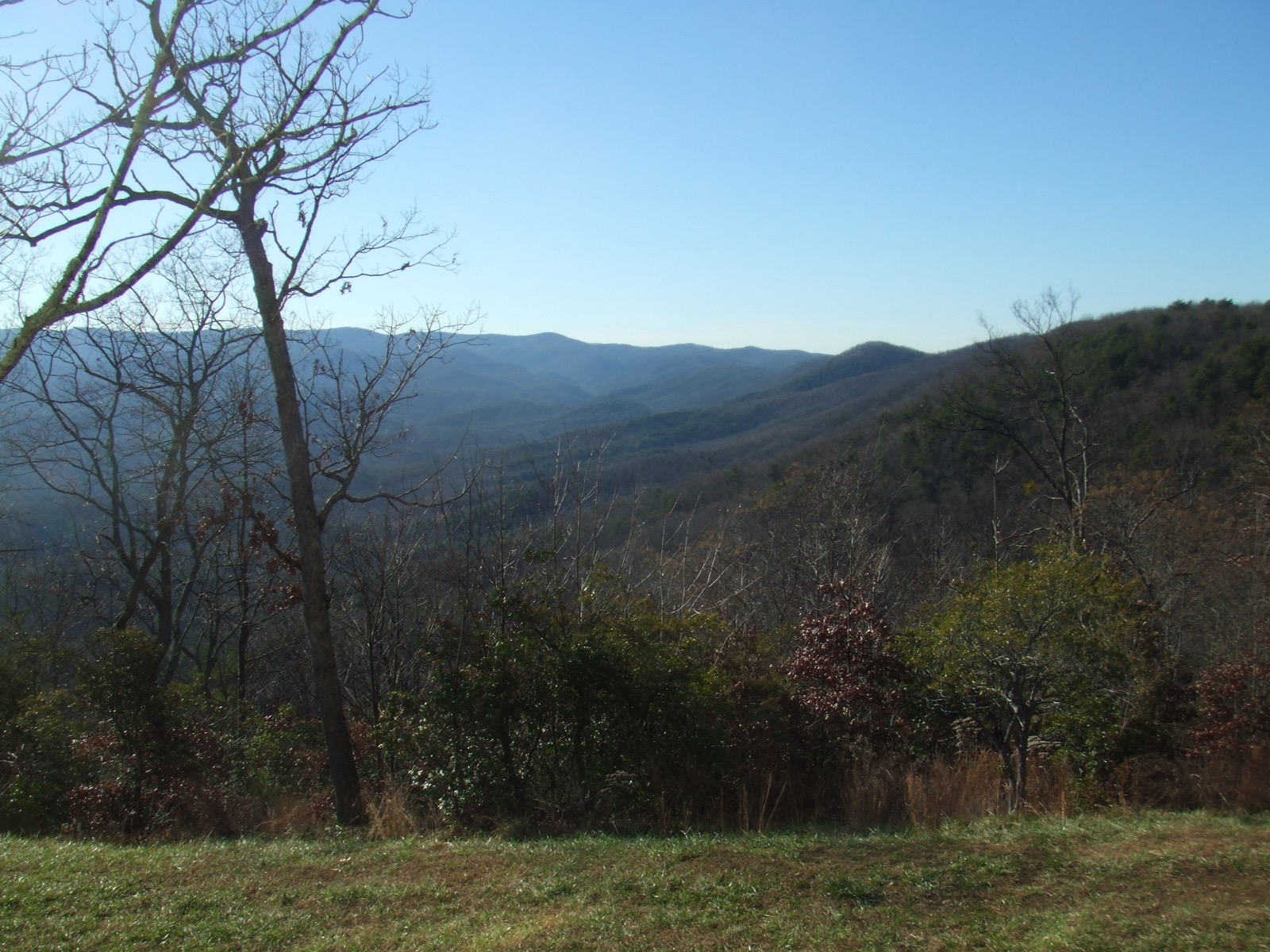
Topography does more work than boundary lines. A cabin set into a cove, behind a ridge shoulder or below the road is hidden by the land itself, while a home on the crest earns the long view and surrenders its seclusion, because everyone across the valley sees you back.
Ask two questions about any lot before anything else: what can I see from the building site, and who can see me there?
How many acres do secluded mountain homes need?
More than you would guess for flat ground, and fewer than you would guess for steep, wooded slopes. The table shows how wide a square parcel runs edge to edge, so you can judge whether another family’s residence could land inside your sight line.
| Acres | Square feet | Side of a square lot |
|---|---|---|
| 1 | 43,560 | 209 ft |
| 2 | 87,120 | 295 ft |
| 5 | 217,800 | 467 ft |
| 10 | 435,600 | 660 ft |
| 20 | 871,200 | 933 ft |
Shape matters as much as size. A 5-acre strip only 200 feet wide runs 1,089 feet deep, which keeps both flanking owners close to your walls along the entire length. Ask for the recorded plat and read the frontage before you read the acreage.
Will the privacy survive winter in the North Georgia mountains?
Often not, and this is the mistake I see most. Hardwoods shed their leaves, so a home that vanished into the forest in August can be exposed to three households by January. Most listing photographs are taken in full leaf, which flatters every lot.
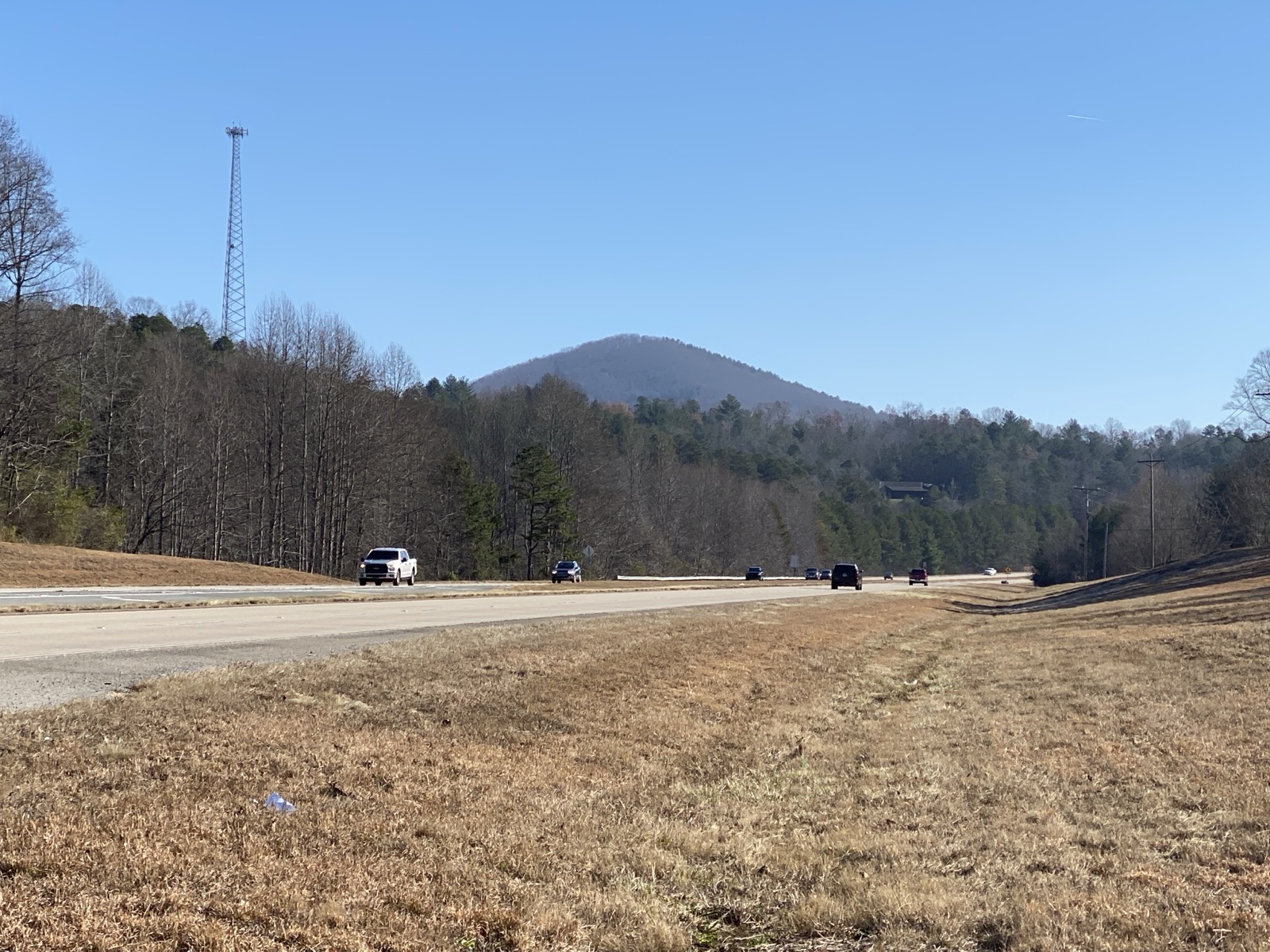
Look for evergreen cover along the boundaries that face another parcel. White pine and rhododendron screen all year, while oak and poplar do not. If you cannot tour between November and March, ask the seller for cold-season photographs and compare them against the building site.
Who controls the road to a private home?
Find out before you fall for the cabin, because a private road is the most common hidden cost of seclusion. A long gravel drive off a shared lane feels like privacy until the first hard rain washes out a culvert and nobody can say who pays for the repair.
Ask four things. Does a recorded easement give your parcel legal access? Does a written road maintenance agreement divide the cost among owners? Who grades the surface and clears fallen trees after a storm? Is the easement wide enough for the road as it actually runs today?
Have the closing attorney confirm the easement is recorded against every parcel it crosses, because a handshake arrangement never transfers to the next owner.
What can your neighbors build later?
Whatever the land and the recorded covenants allow, which may be more than you expect. The empty lot beside you is quiet today and could hold a two-story residence next season. Pull the tax map for every adjoining parcel and note the owner and the acreage of each.
If the subdivision has covenants, read them for setbacks, height limits, short-term rental clauses and tree-cutting rules, since they are often the only written restraint on your future next-door owner. Where none exist, consider purchasing the buffer: an extra lot on the exposed side may cost less than losing the outlook.
Can you get cell service, internet and emergency help up there?
Not by assumption. Signal drops in coves and behind ridges, and the same terrain that hides a dwelling also blocks the tower. Stand where the deck will go with phones from two carriers, then repeat at the driveway entrance. Check the FCC’s National Broadband Map by address for wired and fixed wireless options.
Ask the utility for a written quote to run power from the nearest pole, and ask a local fire chief how an engine or ambulance would reach the property. Steep grades, tight switchbacks and one-lane creek crossings slow response, and seclusion is worth little if help cannot arrive.
How do you score a secluded property before you commit?
Use a 12-point scorecard. Give each factor 0, 1 or 2 points, and add them up. It is my own rule of thumb, not an industry standard, but it keeps the view from doing all the talking.
| Factor | 0 points | 1 point | 2 points |
|---|---|---|---|
| Sight lines in winter | Neighbor visible | Partly screened | Hidden by land or evergreens |
| Road and easement | Unrecorded or unclear | Recorded, no upkeep plan | Recorded with written upkeep split |
| Neighbors’ future building | Open lots, no covenants | Some limits | Buffer owned or restricted |
| Cell signal at the house | None | One carrier | Two carriers |
| Internet options | None found | Satellite or fixed wireless | Wired service |
| Emergency access | Fire chief unsure | Reachable with limits | Reachable year round |
A score of 9 or more is worth pursuing. From 6 to 8, negotiate or price the fix. Below 6, walk away.
You have room to be picky. The Georgia Association of Realtors reports 1,229 single-family homes for sale in Fannin County in August 2026, an 11.2-month supply, against 116 closed sales that month. Year to date through August the median sale price was $644,500, and sellers received 95.3% of list price. Six months of supply is a balanced market, so buyers hold the leverage.
Pair this with my breakdown of where to buy a mountain home across the Southern Blue Ridge, and with the home inspection checklist for a Blue Ridge cabin once you have an accepted offer.
Frequently asked questions
How much land do you need for a secluded mountain home in Georgia?
Enough that the house site sits out of sight of every neighbor, which depends on terrain more than acreage. A square 5-acre lot is only about 467 feet across, so a house at the edge can see yours. Steep, wooded land hides a house on fewer acres than open ground does.
How do I buy a secluded mountain cabin?
Start with sight lines in winter, then confirm recorded road access, then check what the neighbors can build. Add cell service, internet and emergency access, and score the property from 0 to 12 before you make an offer. A closing attorney handles the title and easement work.
Where can I find inexpensive wilderness property for sale?
Inexpensive wilderness land is usually cheap because something is missing: legal road access, power, buildable slope or soil that can support a septic system. Price each fix before you compare parcels, then judge the total cost, not the asking price.
Should I buy a home on a private road in Fannin County?
Yes, if a recorded easement gives your parcel access and a written agreement shares the upkeep. Without both, a private road can leave you paying for repairs alone or unable to prove you may use it.
Will I lose my privacy in winter?
You may. Hardwoods lose their leaves, so a house hidden in August can be visible from neighbors in January. Visit between November and March, or ask for winter photos, and favor lots with evergreen cover on the sides that face a neighbor.