
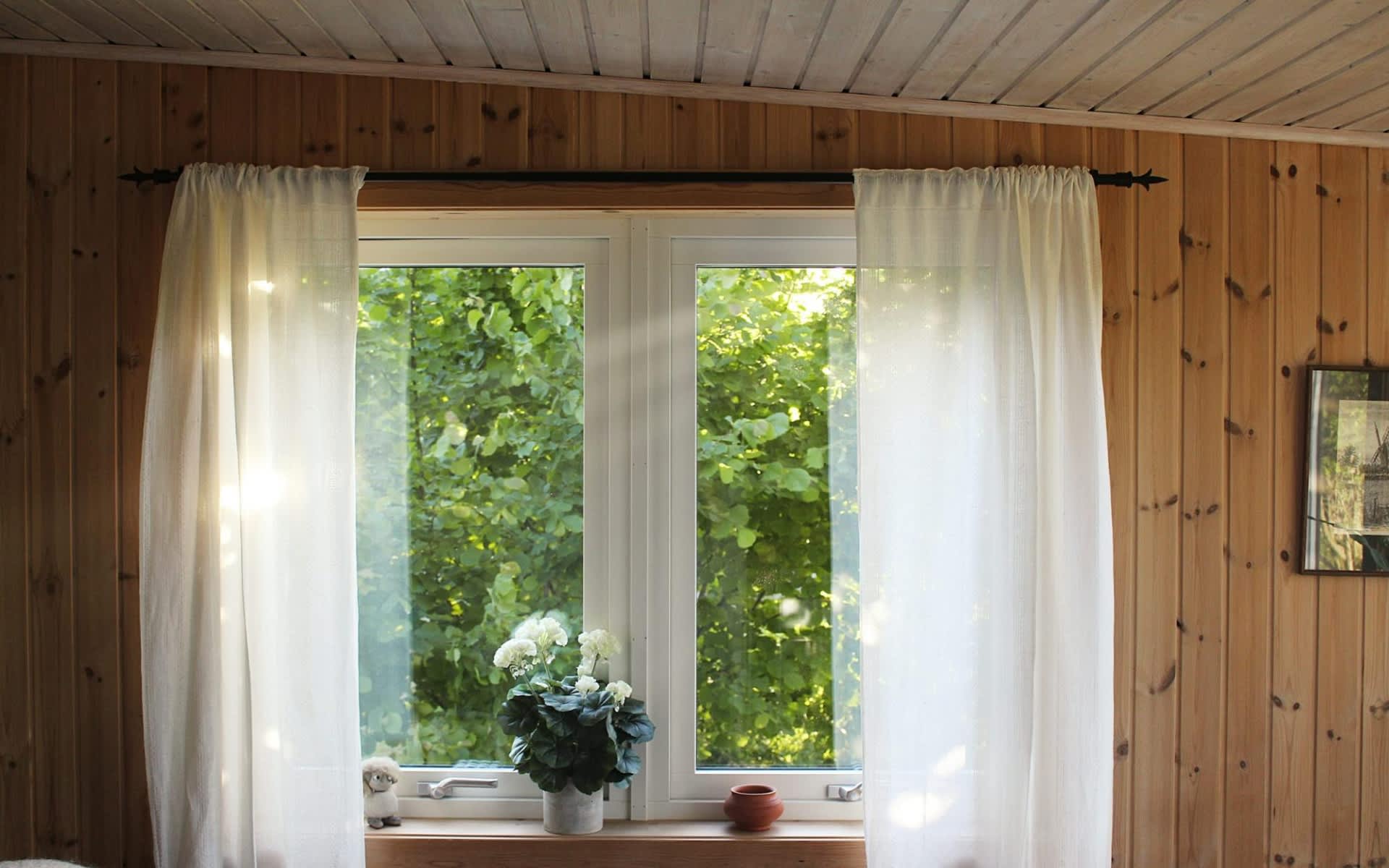

Improving the air quality in your Blue Ridge, GA home is essential for maintaining a healthy living environment. Good air quality enhances well-being, increases comfort, and can even alleviate symptoms associated with poor air conditions, such as allergies and asthma. This detailed guide will explore various strategies to purify your home’s air, ensuring it is fresh, clean, and healthful for all its inhabitants.
Understand the Sources of Indoor Air Pollution
Before diving into solutions, it’s essential to understand what indoor air quality (IAQ) is and why it matters. IAQ refers to the air quality within and around buildings, particularly as it relates to the health and comfort of building occupants. The first step toward improving air quality is identifying the sources of air pollutants in your home. Common culprits include tobacco smoke, pet dander, pollen, household cleaning agents, and volatile organic compounds (VOCs) emitted from paints, furniture, and building materials. Additionally, mold and mildew can accumulate in damp areas, releasing spores that degrade indoor air quality.
Enhance Natural Ventilation
One of the simplest ways to improve your home’s air quality is by increasing natural ventilation. This can be achieved by opening windows and doors to create a cross-flow of air that carries indoor pollutants outside. Ensure that the air outside is clean and free from high pollen or pollution levels before ventilating your Blue Ridge home. Using window and door screens can help keep unwanted pests out while still allowing fresh air to circulate throughout the living spaces.
Invest in Air Purification Systems
Air purifiers are invaluable tools for maintaining clean indoor air. They work by pulling air through filters that capture pollutants like dust, pollen, and smoke particles. When selecting an air purifier, opt for a model with a high-efficiency particulate air (HEPA) filter, known for its capability to trap 99.97% of particles that are 0.3 microns in diameter. Look for a model that suits the size of your space and addresses your specific concerns, such as allergens, smoke, or odors.
Maintain a Regular Cleaning Routine
Regular cleaning is crucial to minimize dust, pet dander, and other particulates that can accumulate in your home. Use a vacuum cleaner equipped with a HEPA filter to effectively capture fine particulate matter. Additionally, cleaning surfaces with damp cloths can help trap dust instead of dispersing it back into the air. Pay special attention to areas where dust and pollutants may gather, such as under furniture, around electronics, and in corners.
Control Humidity Levels
Maintaining optimal humidity levels in your home plays a pivotal role in air quality management. High humidity can encourage the growth of mold, while low humidity can cause respiratory discomfort. The ideal indoor humidity level should range between 30% and 50%. You can manage humidity by using dehumidifiers in damp areas of your home and humidifiers in dry areas, particularly during the winter months when heating systems can reduce indoor moisture levels.
Use Eco-Friendly Household Products
The choice of household products can significantly influence indoor air quality. Opt for natural or eco-friendly cleaning products that do not contain harsh chemicals and VOCs. These alternatives reduce air pollution and are also better for the environment. Additionally, when painting or renovating, choose paints and finishes that are labeled low-VOC or VOC-free to minimize the release of harmful gases.
Incorporate Indoor Plants
Indoor plants enhance the aesthetic of your home and can improve air quality. Plants like spider plants, peace lilies, and Boston ferns have been shown to absorb pollutants like benzene, formaldehyde, and carbon monoxide. While plants alone cannot completely purify indoor air, they can effectively complement other air quality strategies.
Monitor Air Quality
To continually manage and improve the air quality in your Blue Ridge home, consider using an indoor air quality monitor. These devices can measure levels of pollutants like VOCs, particulate matter, and carbon dioxide while also monitoring humidity and temperature. By providing real-time feedback on the air quality, these monitors can help you make informed decisions about when to ventilate your home or adjust your air purification strategies.
Professional Assessment
If you are concerned about the air quality in your home or have specific health issues related to air pollution, it may be beneficial to consult with an indoor air quality professional. These experts can conduct a thorough assessment of your home’s air quality and recommend more targeted solutions based on their findings.
Indoor air quality is one of those factors that buyers often overlook when touring homes, but it matters enormously for long-term comfort and health. When I work with clients on home evaluations, I always flag ventilation, humidity control, and material choices — because a healthy home is a valuable home.
Thomas Echea
By adopting these strategies, you can notably enhance the air quality in your home, creating a healthier and more comfortable living environment for everyone. If you’re ready to find a beautiful, healthy home in Blue Ridge, GA, reach out to Thomas Echea today.