
When buyers and sellers evaluate a property, one of the most common questions is: does age help or hurt a home’s value? The answer is nuanced — and understanding the dynamics between home age and market value can help you make smarter buying or selling decisions.
UNDERSTANDING HOME AGE
A home’s age is more than a number on a disclosure form — it reflects construction materials, building codes, architectural style, and the maintenance history of the property. In markets like Blue Ridge, GA and Fort Lauderdale, FL, homes span from mid-century bungalows to newly constructed luxury residences, and each era carries its own value proposition for different buyer profiles.
HISTORICAL CHARM VS. MODERN AMENITIES
THE ALLURE OF HISTORICAL HOMES
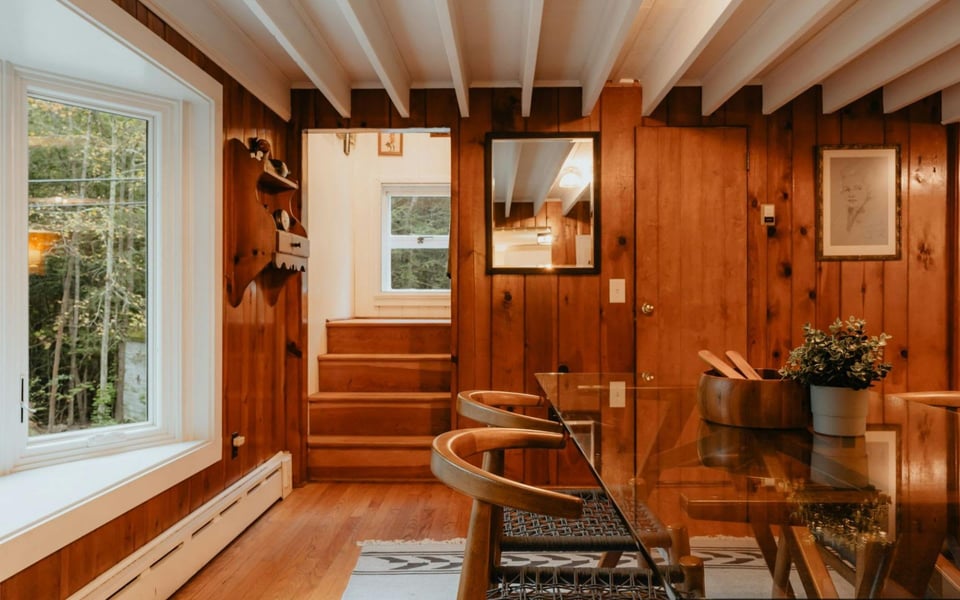
Older homes often carry character that newer construction simply cannot replicate — original hardwood floors, craftsman millwork, solid wood doors, brick fireplaces, and architectural details that define an era. In neighborhoods where historic charm is a selling point, older homes frequently command premiums, particularly after thoughtful restoration. Buyers seeking authenticity and uniqueness are drawn to these properties precisely because of their age and story.
THE DEMAND FOR MODERN HOMES
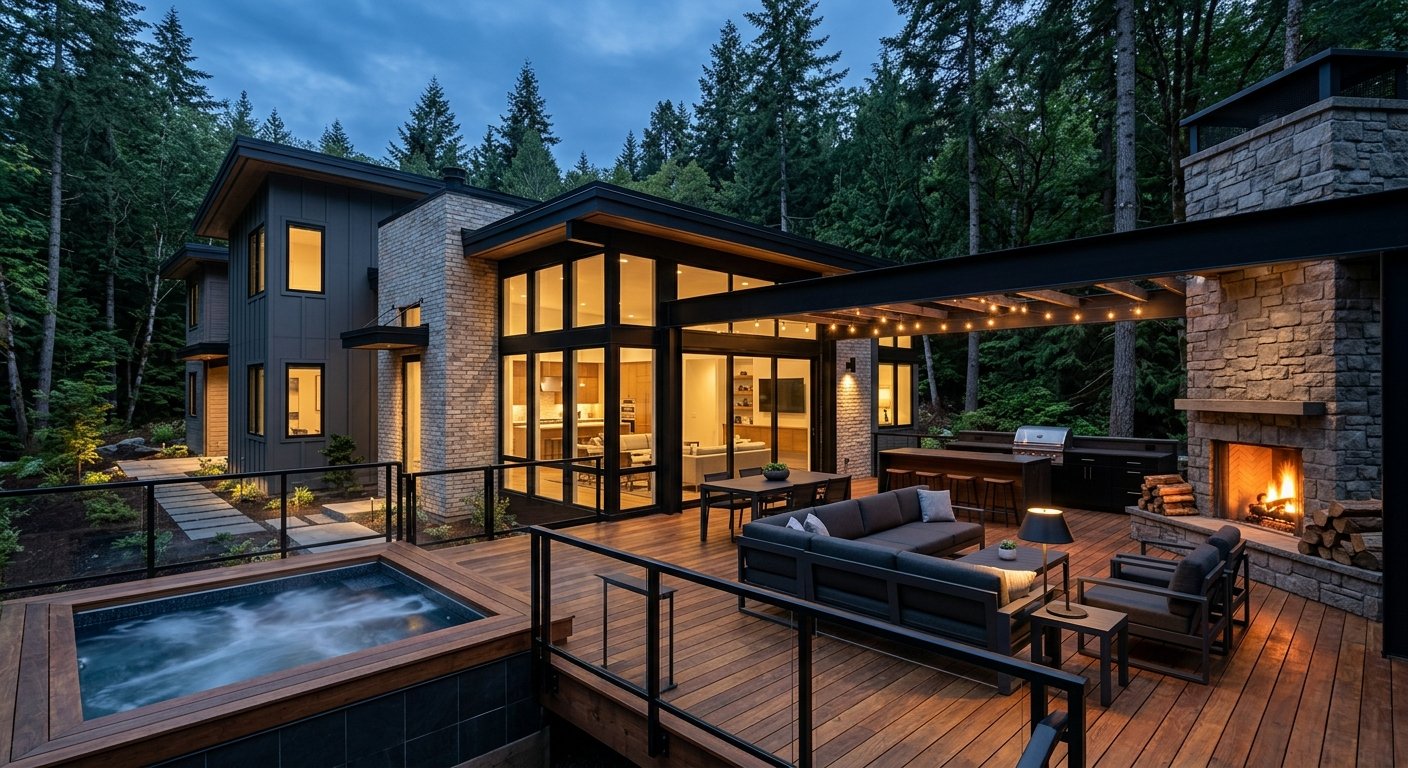
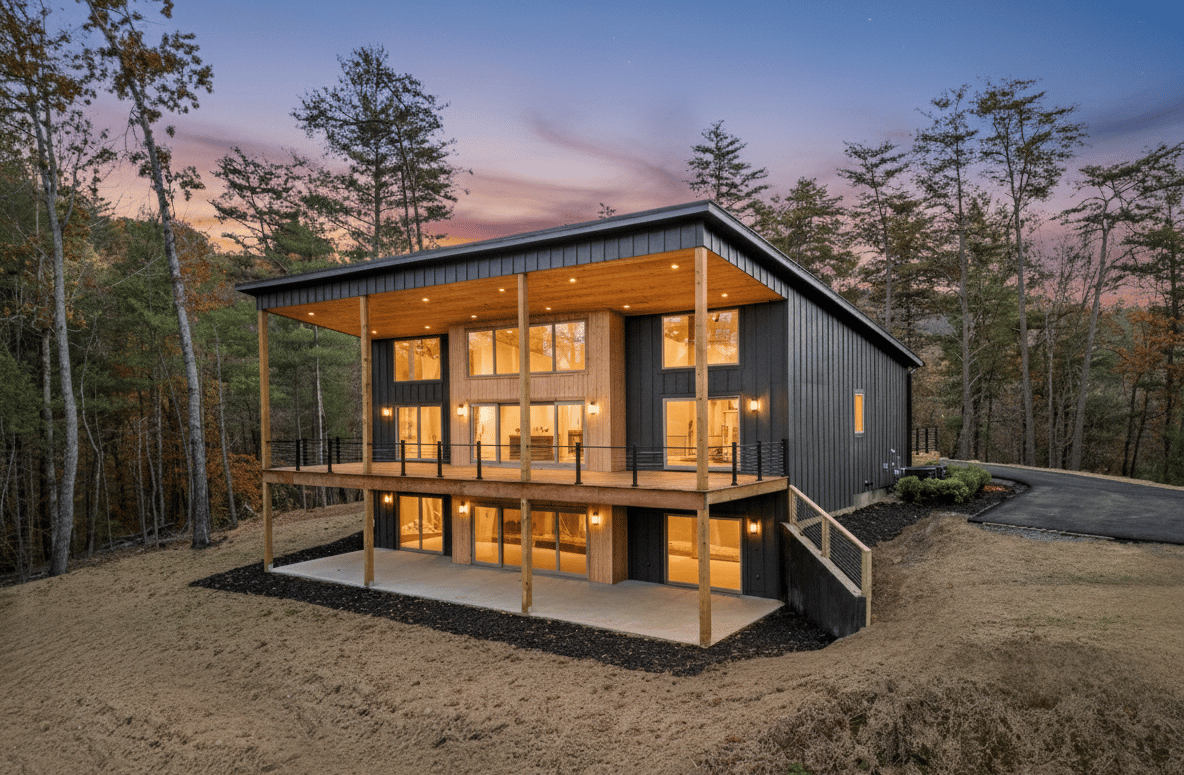
At the same time, newer construction appeals to buyers who prioritize open floor plans, energy efficiency, smart home technology, modern kitchens, and minimal deferred maintenance. New builds in luxury markets typically command higher per-square-foot pricing because buyers are paying for the convenience of move-in readiness and contemporary systems — HVAC, plumbing, electrical, and insulation all built to current codes.
DEPRECIATION AND APPRECIATION DYNAMICS
THE DEPRECIATION FACTOR
Physical structures depreciate over time as systems age and wear — roofs, HVAC units, plumbing, and electrical all have finite lifespans. Buyers and appraisers factor in the cost of near-term capital expenditures when evaluating older homes. A 40-year-old home with original systems may be priced conservatively to reflect anticipated replacement costs, even if it is otherwise well-maintained.
APPRECIATION THROUGH RENOVATION
Strategic renovation can reverse depreciation entirely. A well-executed kitchen remodel, updated bathrooms, new mechanical systems, and modern finishes can position an older home to compete directly with new construction — often at a more attractive price point given the character and lot size that established neighborhoods offer.
THE IMPACT OF MAINTENANCE AND UPGRADES
RETROFITTING OLDER HOMES
Smart sellers in older homes invest in strategic upgrades before listing: new roofs, updated electrical panels, modern HVAC systems, and energy-efficient windows. These improvements remove buyer objections, satisfy lender requirements, and often yield returns that exceed their cost. A well-maintained older home with documented upgrades can command as much — or more — than comparable newer inventory in the same neighborhood.
DEPRECIATION VS. LAND VALUE
In markets where land is constrained — waterfront Fort Lauderdale, established Blue Ridge Mountain lots, or desirable urban infill neighborhoods — the land value often appreciates independent of the structure’s age. Buyers sometimes purchase older homes specifically for the land, intending to renovate or rebuild. In these cases, the home’s age is secondary to its location.
Age alone doesn’t determine value — condition, location, and what’s been invested in the home over time are what truly matter. I’ve seen beautifully updated 1960s homes outperform newer construction, and I’ve seen neglected newer homes struggle. My job is to help clients see beyond the year it was built and understand the full picture.
Thomas Echea
THE ROLE OF REAL ESTATE PROFESSIONALS
Navigating the relationship between home age and market value requires local expertise. The right agent understands how buyers in your specific market perceive different eras of construction, which upgrades move the needle on value, and how to position any property — old or new — to attract qualified buyers and strong offers. If you’re evaluating a property or preparing to sell, contact Thomas Echea to discuss what age means for your home’s value in today’s market.